The Purple Empress
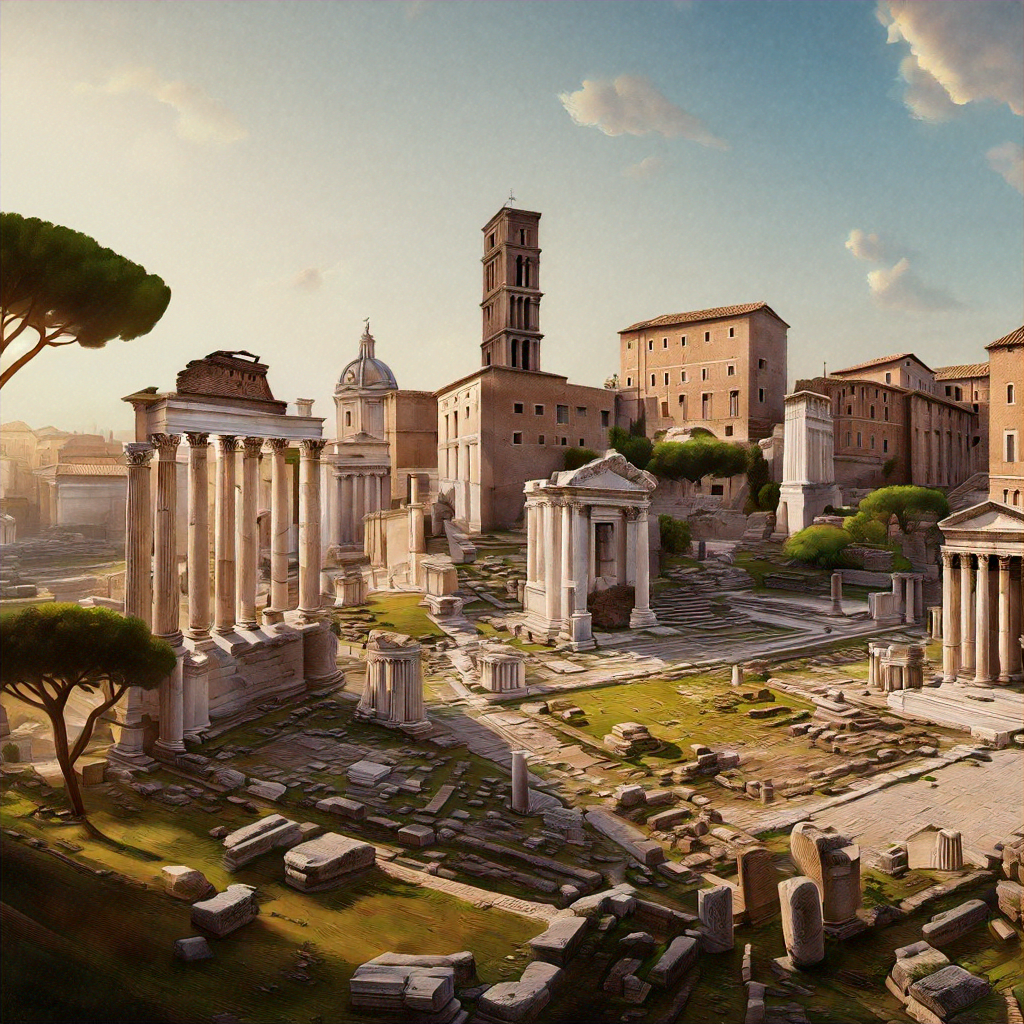
The Hippodrome, Constantinople, 527 CE
The roar of 100,000 spectators filled the massive Hippodrome as Theodora stepped onto the imperial balcony beside her husband, Emperor Justinian I. Sunlight glinted off her jewel-encrusted crown and imperial purple silk robes as she gazed down at the vast arena where she had once performed as a young actress and dancer. The same crowds that had once jeered at her now fell silent in reverence, bowing before the Augusta, their empress.
Two decades earlier, she had been the daughter of a bear-keeper, dancing and performing ribald comedy acts for the raucous crowds. Now, at age 27, she stood as the most powerful woman in the civilized world, co-ruler of an empire that stretched from the Balkans and Greece to Egypt and Syria. The transformation seemed impossible. Yet here she was.
As the races began below, Theodora's mind drifted to the tumultuous path that had led her here: the poverty of her childhood after her father's death, the years of struggle as an actress and courtesan, her spiritual awakening in Alexandria, and the fateful meeting with Justinian that had changed everything. She had defied convention, overcome prejudice, and climbed from the lowest ranks of society to its very peak.
But on this spring morning in 527, neither Theodora nor the cheering crowds could know that the greatest test of her power still lay ahead. A moment was coming when the fate of the empire would rest in her hands alone.
An Empire in Transition
The Byzantine Empire of the 6th century was a realm of stark contrasts and simmering tensions. It still maintained the structures and traditions of ancient Rome, but was evolving into a distinctly medieval, Christian society. The old pagan temples had given way to magnificent churches, though ancient Greek philosophy still flourished in the schools. Latin was giving way to Greek, and the western half of the Roman Empire had already fallen to barbarian kingdoms.
Under Emperor Justin I (518-527), Constantinople had grown into the greatest city in the Christian world, with half a million inhabitants. The city was divided between the Blue and Green factions, originally chariot racing teams that had evolved into powerful political organizations. These factions represented deep social divisions between the established aristocracy and the rising merchant classes.
Into this complex world stepped Justin's nephew and heir, Justinian. Born to peasant stock in a remote Balkan province, he had risen through military and administrative service. His choice of bride, however, shocked society. Theodora was a former actress and courtesan, and in Byzantine society actresses were considered little better than prostitutes. Marriage between social classes was strictly regulated.
Justinian had to convince his uncle to change the law just to marry Theodora in 525. The aristocracy was scandalized. But Justinian saw in Theodora an extraordinary intelligence and strength of will that matched his own ambitions to restore Roman glory.
The Nika Riots: Theodora's Finest Hour
January 532 CE began with minor unrest in the Hippodrome over the punishment of some rioters. Within days it exploded into the worst civil unrest Constantinople had ever seen. The Blue and Green factions, usually bitter rivals, united against the government. Their rallying cry of "Nika!" ("Victory!") would give the uprising its name.
For five days, the city burned. The rioters proclaimed a new emperor, and senators who resented Justinian's centralizing reforms backed the uprising. The fires destroyed much of the city center, including the original Hagia Sophia church. Justinian's generals seemed powerless to restore order as the mob swelled past 100,000.
On January 18, the situation reached its crisis point. Justinian's advisors urged him to flee while he still could. Ships were prepared for the imperial couple's escape. In the palace council chamber, the emperor wavered, watching his dream of Roman restoration crumble before him.
Then Theodora rose to speak. According to the historian Procopius, she argued forcefully that flight was beneath the dignity of an emperor, that the purple robes of imperial office were a worthy burial shroud, and that she herself would never willingly abandon the title of empress. She insisted that remaining and fighting was the only course worthy of their station.
Her fierce determination galvanized the council. Instead of fleeing, Justinian ordered his generals to attack. Led by the brilliant Belisarius, loyal troops trapped thousands of rioters in the Hippodrome and slaughtered them. The rebellion was crushed, though at the cost of tens of thousands of lives.
Theodora's Legacy
Having saved the throne, Theodora wielded unprecedented power as co-ruler until her death in 548. She shaped Justinian's famous legal reforms in concrete ways, pushing hard for the expansion of women's rights. She worked to end forced prostitution, established homes for former prostitutes, and strengthened women's property and divorce rights.
Theodora also played a crucial role in religious policy. She protected Monophysite Christians from persecution despite her husband's Orthodox beliefs, maintaining her own court and diplomatic network and often conducting foreign policy independently of Justinian.
The magnificent Hagia Sophia, rebuilt after the Nika Riots, endures today as a monument to the golden age she helped create. In the Basilica of San Vitale in Ravenna, a celebrated mosaic still depicts Theodora in imperial regalia, capturing her transformation from actress to empress in a single frozen image.
Her rise from poverty to power would be retold countless times, inspiring future generations of Byzantine women. She proved that even in a rigid, hierarchical society, an extraordinary person could transcend her origins through intelligence, courage, and sheer force of will.
As Justinian mourned Theodora's death in 548, he turned his energy to his greatest ambition: reconquering the lost western provinces of Rome. In our next episode, we'll follow his brilliant general Belisarius as he campaigns to restore Roman rule in Italy, North Africa, and Spain. Could the empire afford such ambitious expansion? And would these conquests prove lasting?
Editor's Context
Read this episode through the Byzantine habit of adaptation. The empire repeatedly survived by changing its military, fiscal, religious, and diplomatic tools while insisting that it remained Roman. The date markers (000, 527) are included because chronology is one of the easiest places for narrative history to become misleading. The episode's themes (history, empire, power) are the editorial lens for weighing cause and consequence rather than treating the story as isolated trivia.
Reviewed under the EmpiresDiary editorial workflow by Obadiah.
Drafted with AI. Accuracy review and corrections are ongoing — if you spot an error, please report it. See our workflow and editorial policy.