Where Empires Come
to Tell Their Stories
Immersive long-form episodes that bring ancient civilizations to life. Read or listen — binge your way through the rise and fall of history's greatest powers.
Continue Reading.
Pick up where you left off
The Fall of Rome: An Empire's Twilight.
17 episodes · Completed series
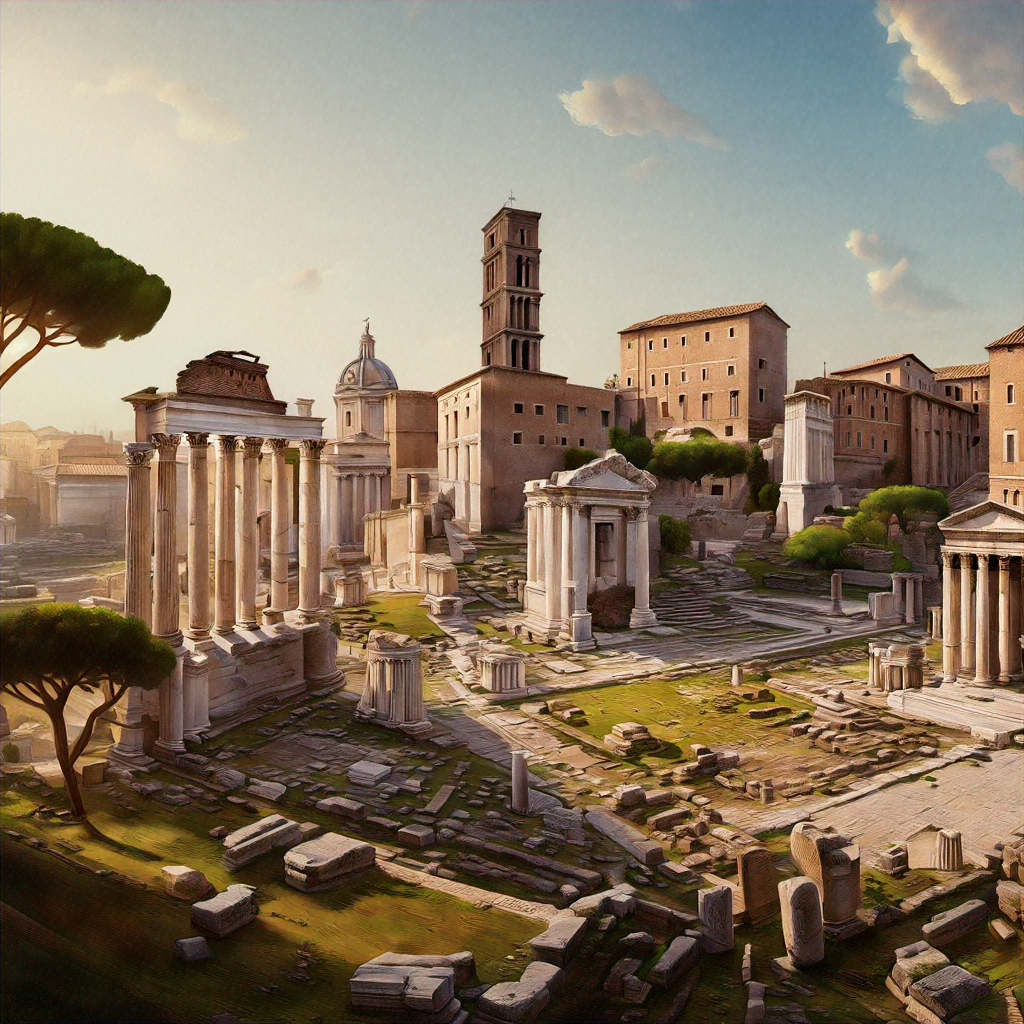 EP 014 min
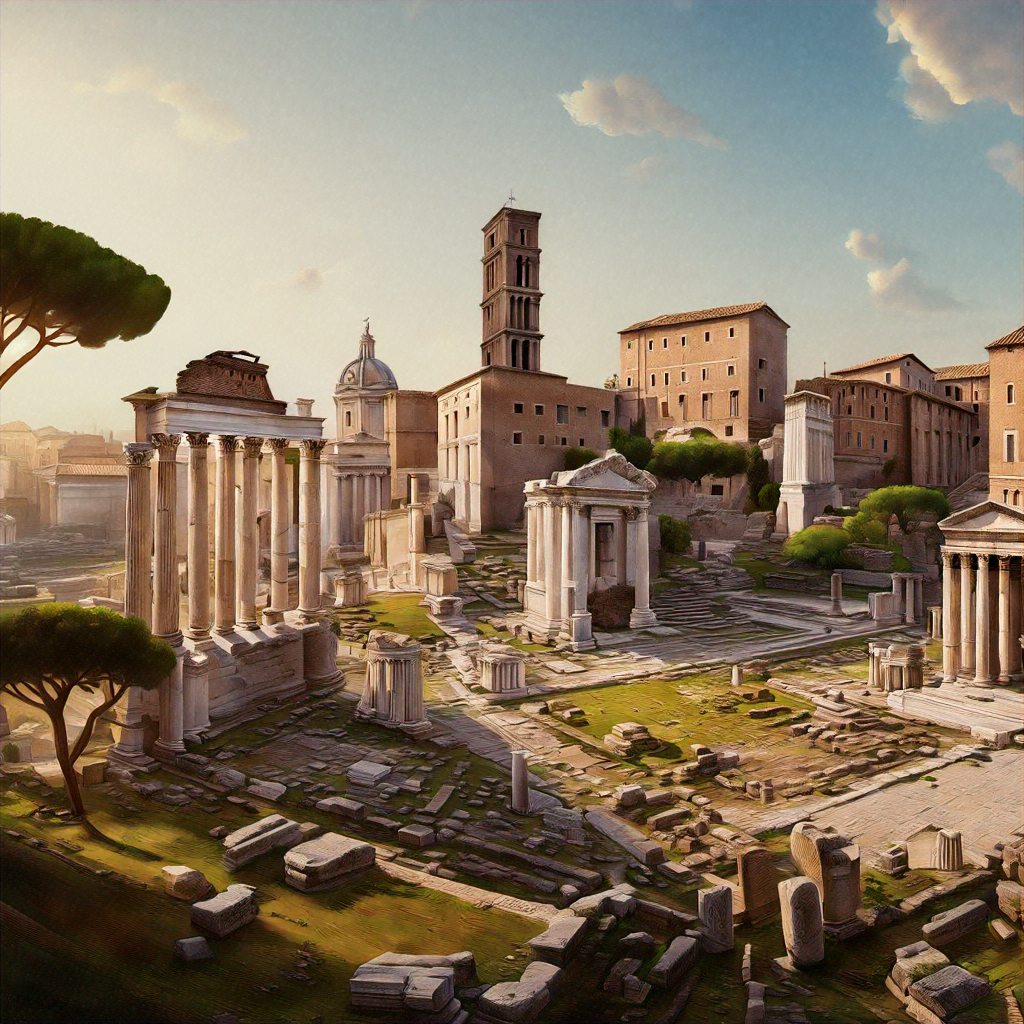 EP 024 min
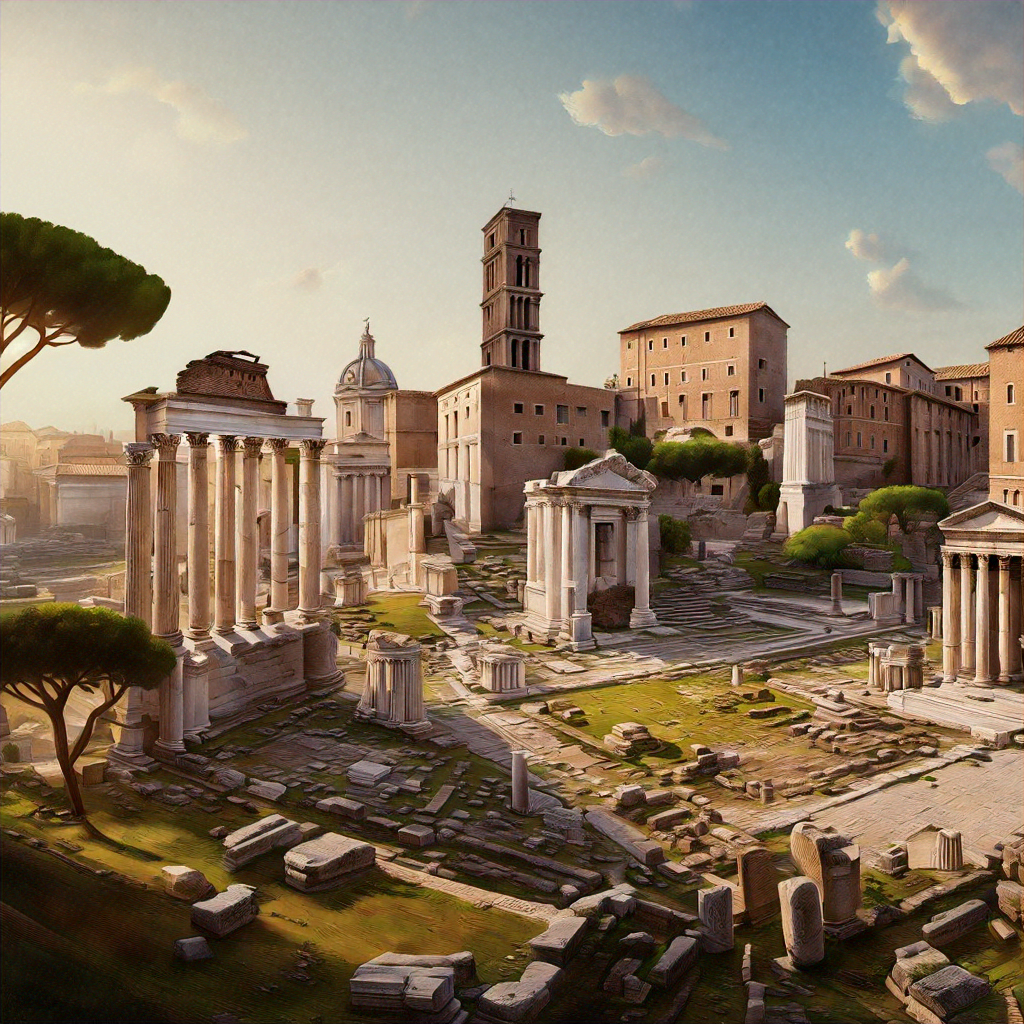 EP 035 min
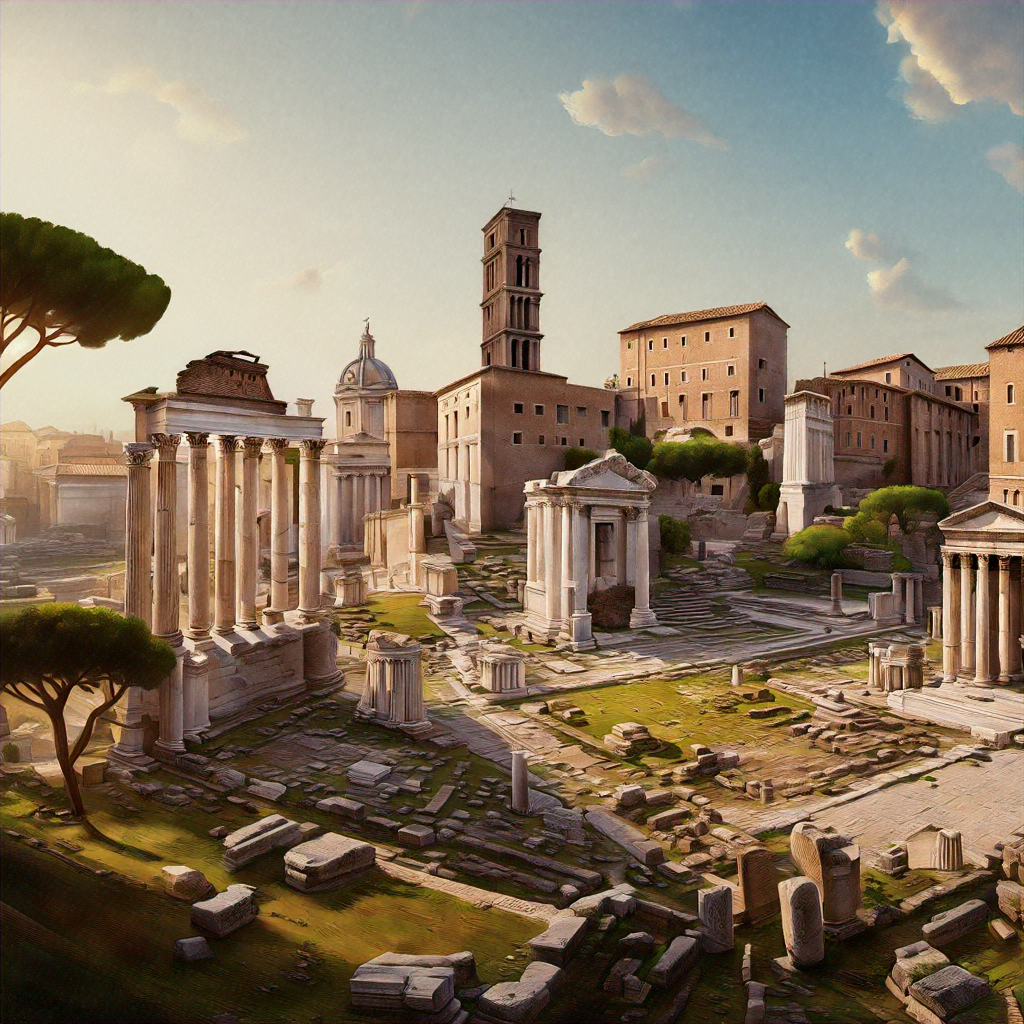 EP 043 min
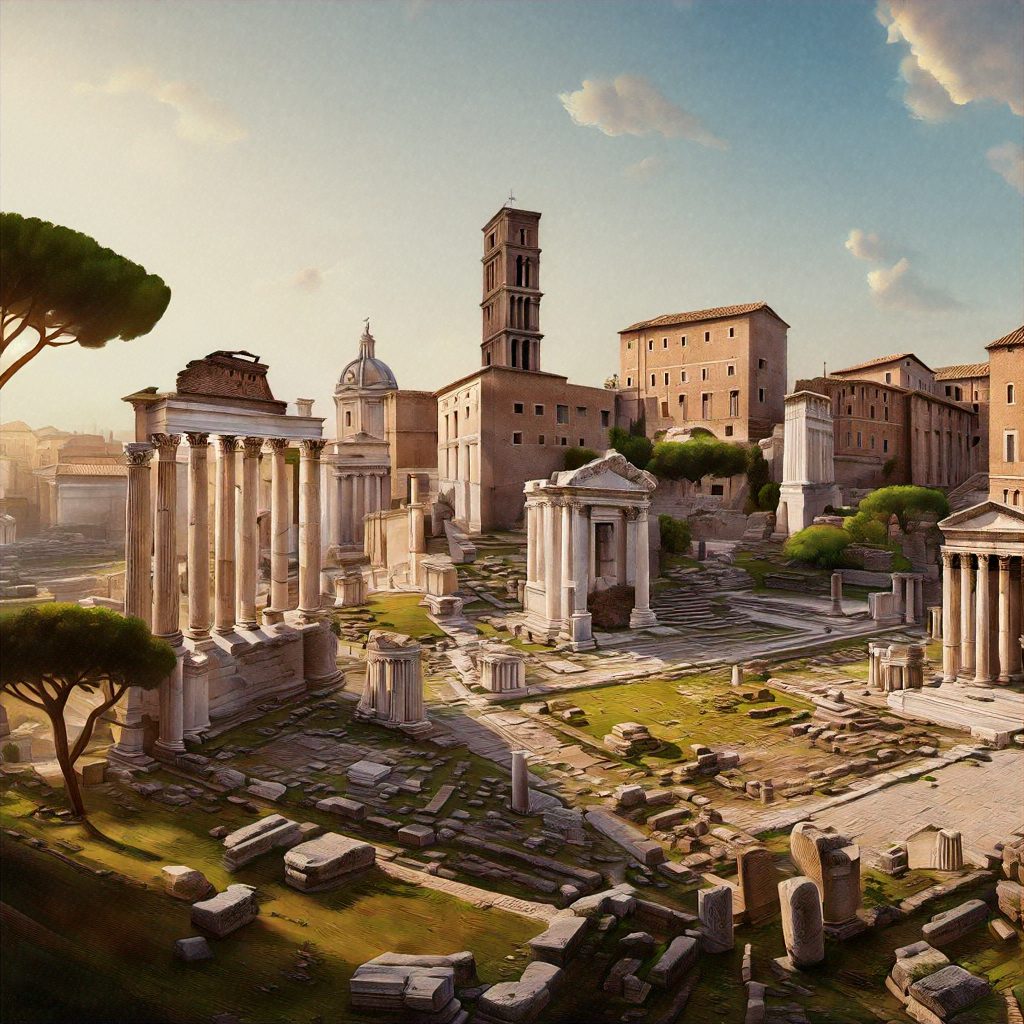 EP 055 min
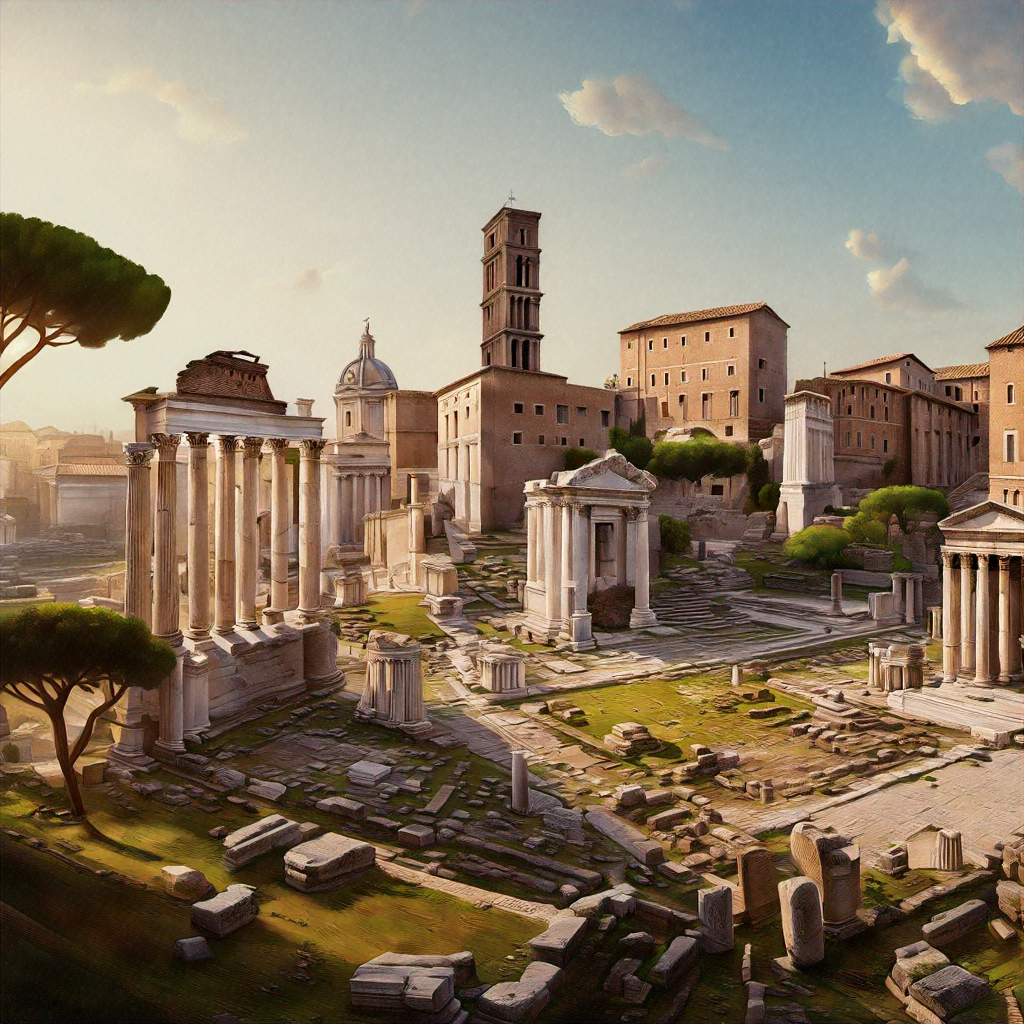 EP 065 min
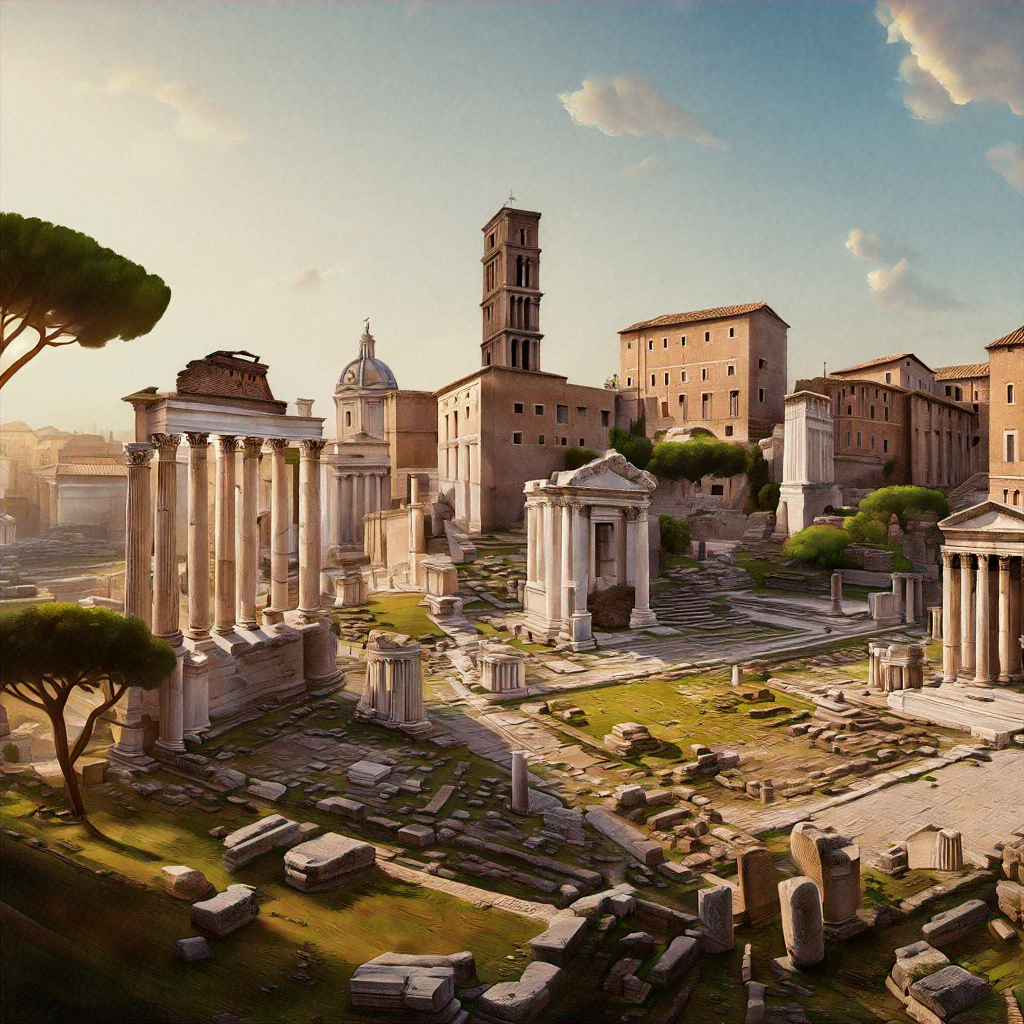 EP 075 min
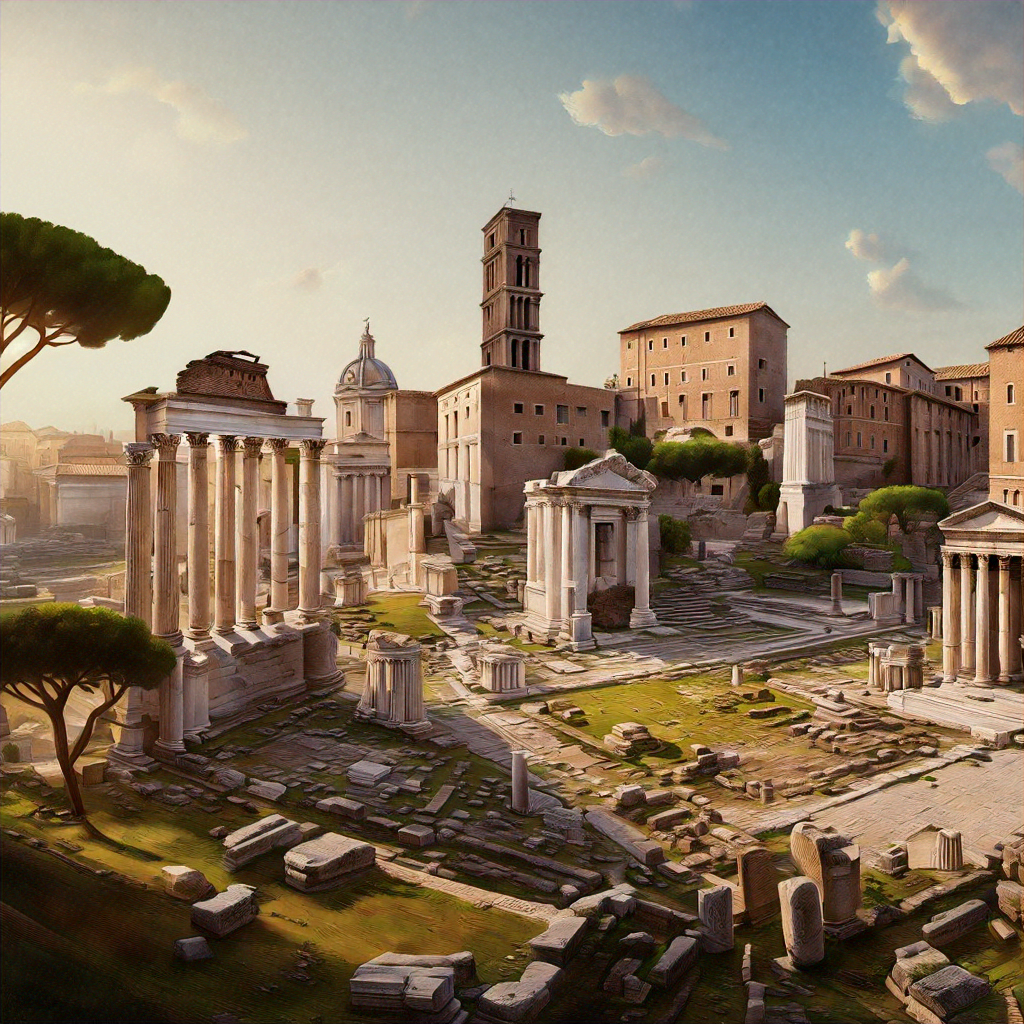 EP 085 min
Explore Empires.
Choose a civilization to begin
The Mongol Empire: From Steppes to Superstates
Follow the explosive rise of Genghis Khan's empire from the grasslands of Mongolia to the creation of a vast empire stretching from Korea to Eastern Europe. This series chronicles the dramatic conquests, sophisticated administration systems, and lasting cultural impacts of the most extensive land empire in history, while exploring how nomadic traditions shaped global civilization.
The Ottoman Empire: From Frontier Warriors to World Power
Journey through the remarkable rise and dramatic fall of the Ottoman Empire. From Osman I's small Anatolian principality to the conquest of Constantinople, from Suleiman the Magnificent's golden age to the empire's decline and final collapse after World War I. Discover how the Ottomans built one of history's most enduring empires, ruling three continents for over 600 years.
Byzantium: The 1000-Year Empire
Experience the fascinating history of the Byzantine Empire, the continuation of Rome that lasted a millennium. From its foundation by Constantine to the dramatic fall of Constantinople in 1453, discover how this empire preserved classical knowledge, defended Christianity, and shaped medieval civilization.
The Fall of Rome: An Empire's Twilight
From the heights of Pax Romana to the chaos of 476 CE, witness how the mightiest empire in history crumbled. Through dramatic storytelling and rigorous scholarship, experience the economic crises, military disasters, and political upheavals that brought down Rome.
Follow The Ongoing Story
New episodes published regularly across active series. Every episode includes summaries, citations, and audio narration.