1206 β 1368 CE
πΉ The Mongol Empire: From Steppes to Superstates
How nomadic horsemen built history's largest contiguous land empire
Follow the explosive rise of Genghis Khan's empire from the grasslands of Mongolia to the creation of a vast empire stretching from Korea to Eastern Europe. This series chronicles the dramatic conquests, sophisticated administration systems, and lasting cultural impacts of the most extensive land empire in history, while exploring how nomadic traditions shaped global civilization.
All Episodes
Read the series in order. Each episode page includes its own summary, citations, and audio when available.
The Mongol Storm
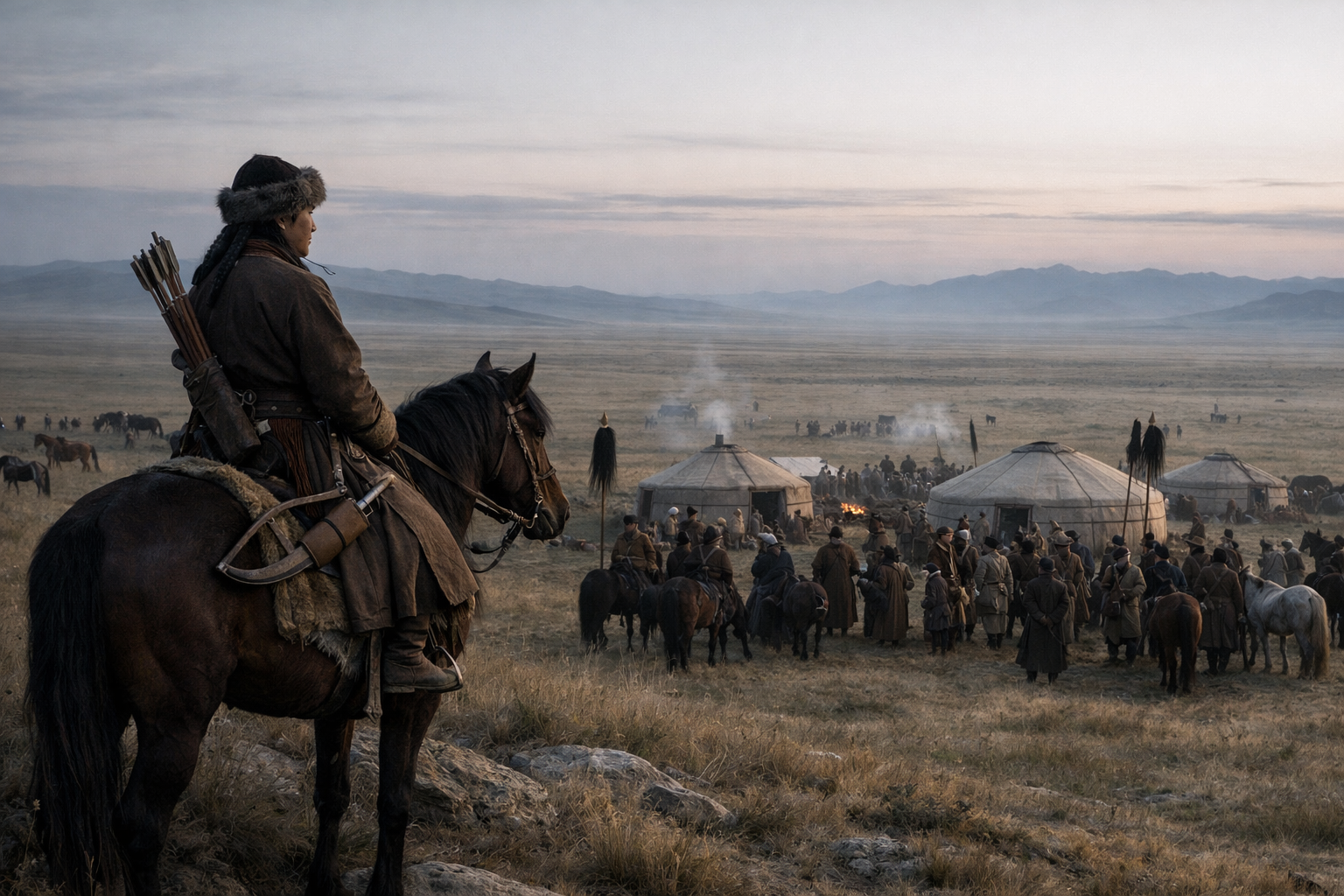
In the early 13th century, a seismic shift occurred that permanently altered the course of human history. From the windswept grasslands of Central Asia, a confe...
Blood of the Wolf
The bitter wind cut across the frozen steppes as young Temujin pressed close to his mother Hoelun. He was nine years old and had already watched his father die ...
Blood and Thunder on the Steppes
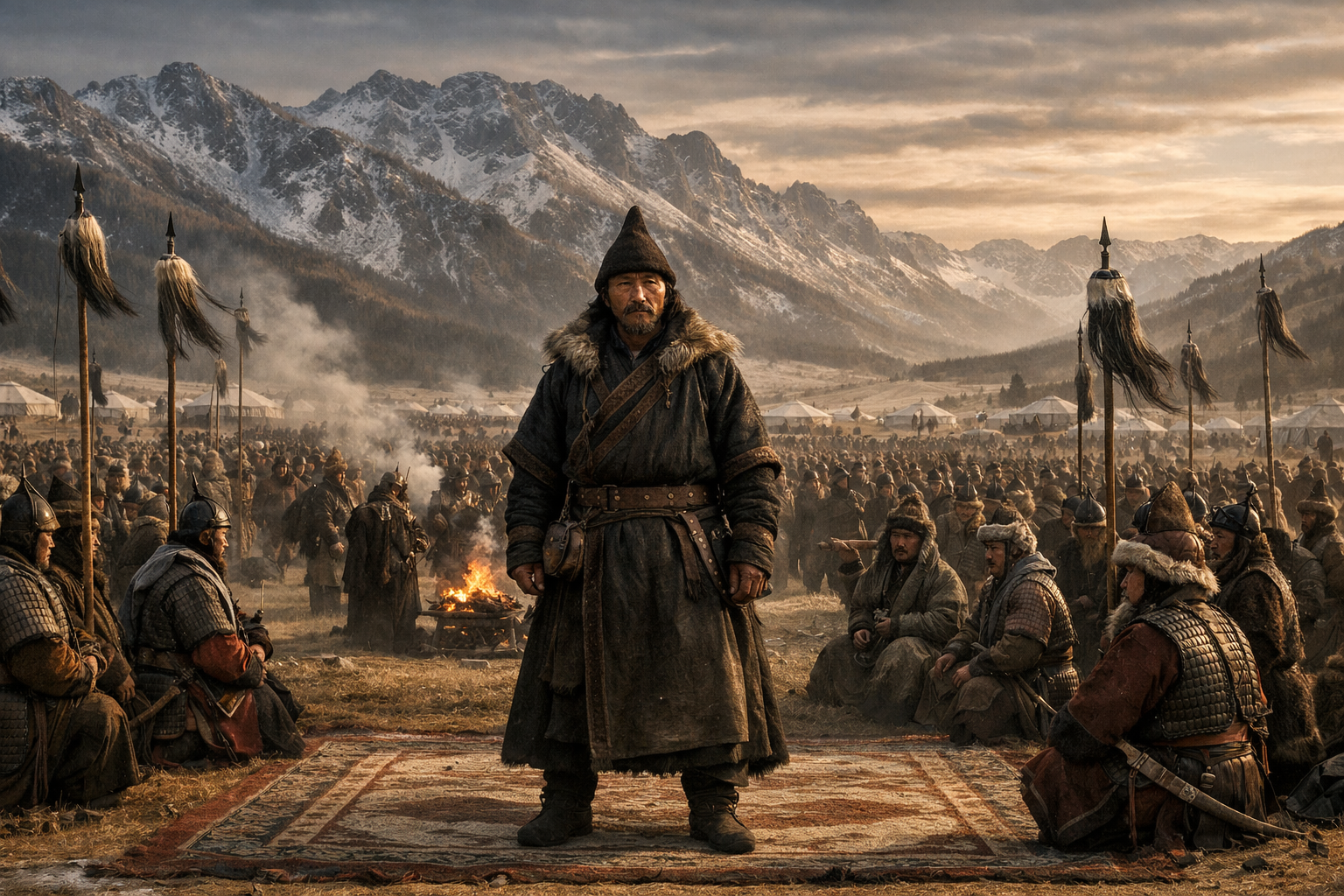
The wind howled across the sacred grounds of Mount Burkhan Khaldun as thousands of warriors gathered in the early spring of 1206. Their deel robes and horse-hai...
The Great Raid West: Subutai's Cavalry Storm
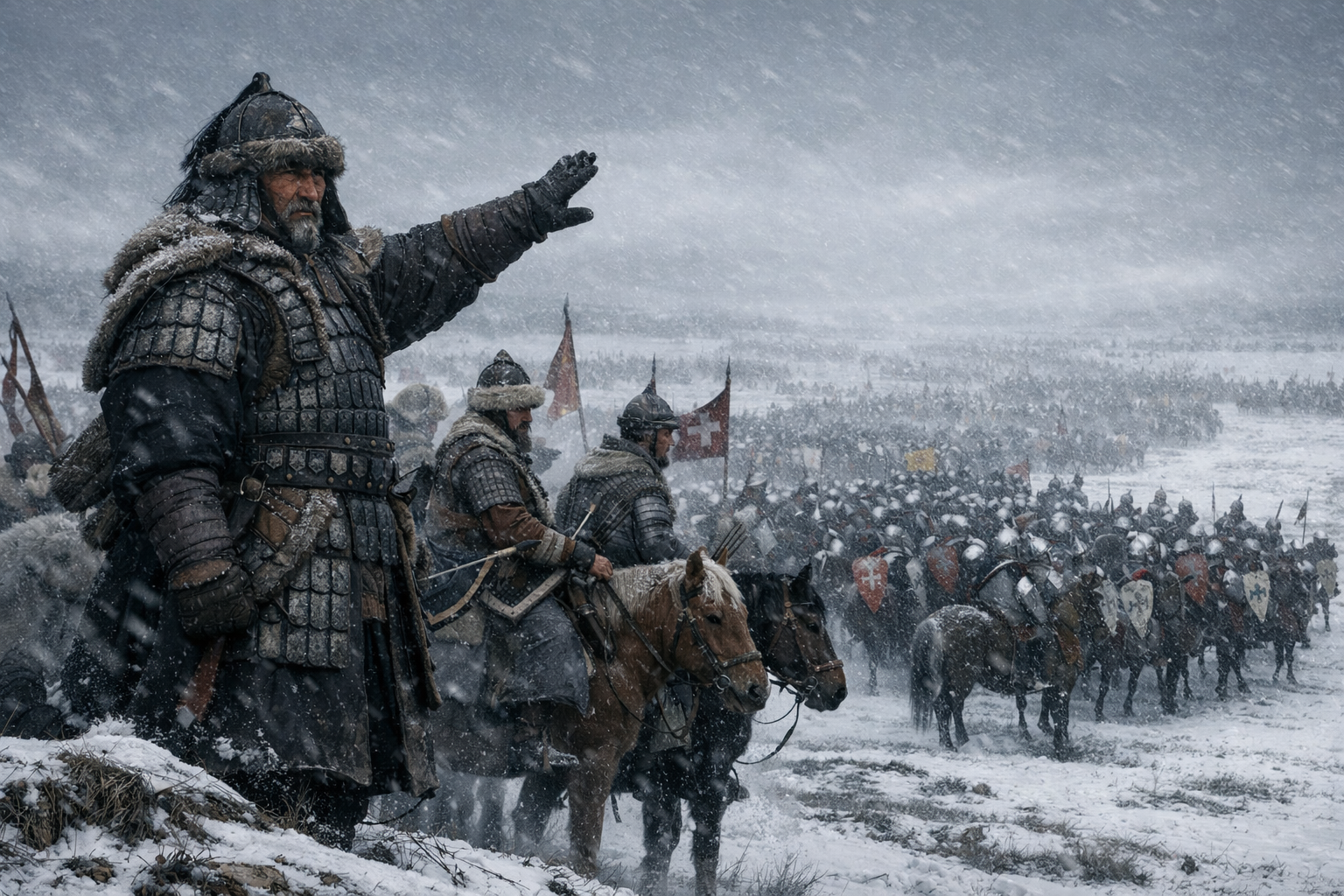
The frozen plains of Hungary lay silent under a steel-gray sky. Snow blanketed the rolling grasslands that reminded the Mongol warriors of their homeland steppe...
The Wolf and the Dragon
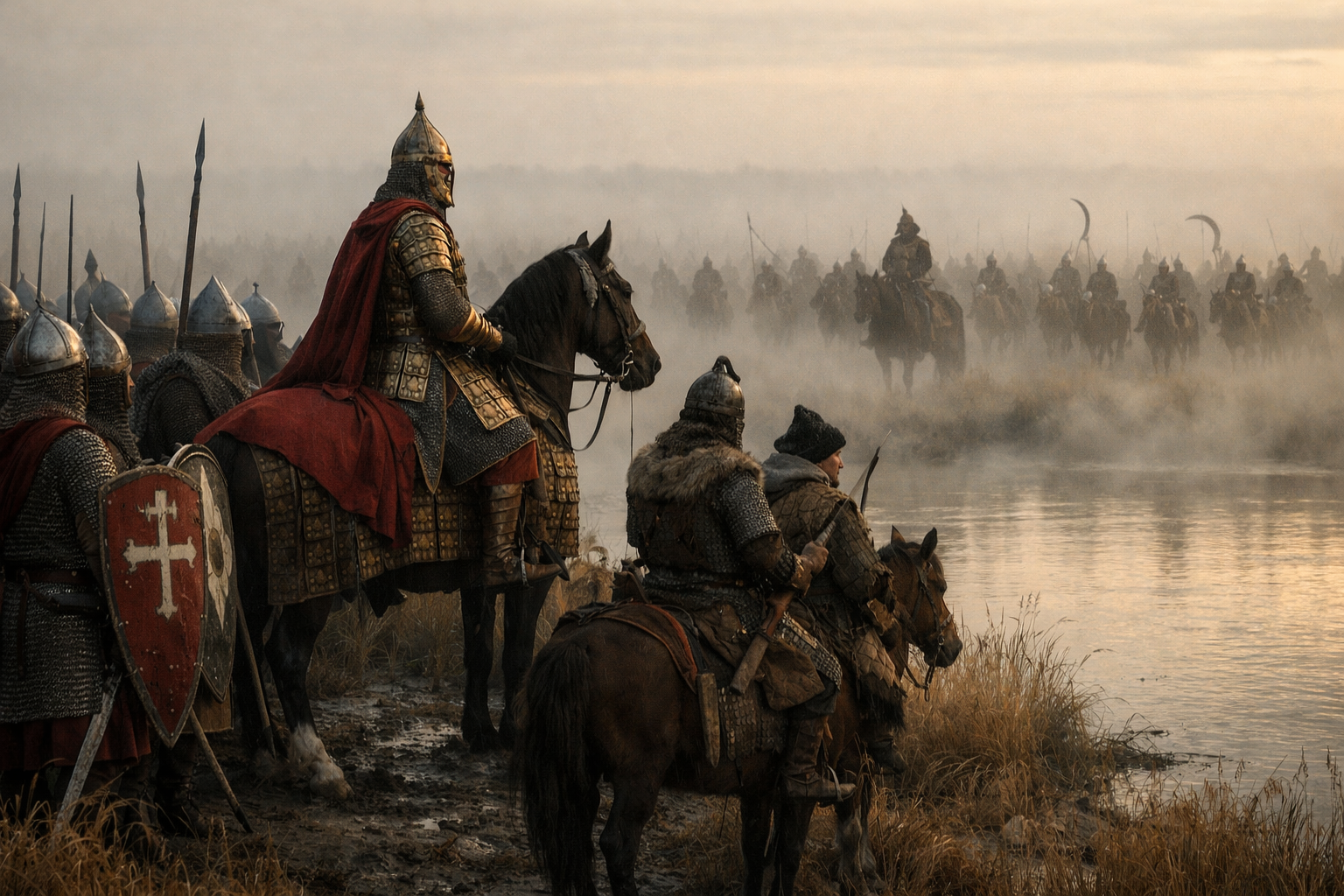
Morning mist hung heavy over the Kalka River, obscuring the grasslands stretching toward the horizon. On one bank stood the combined armies of the Rus principal...
The Sack of Baghdad
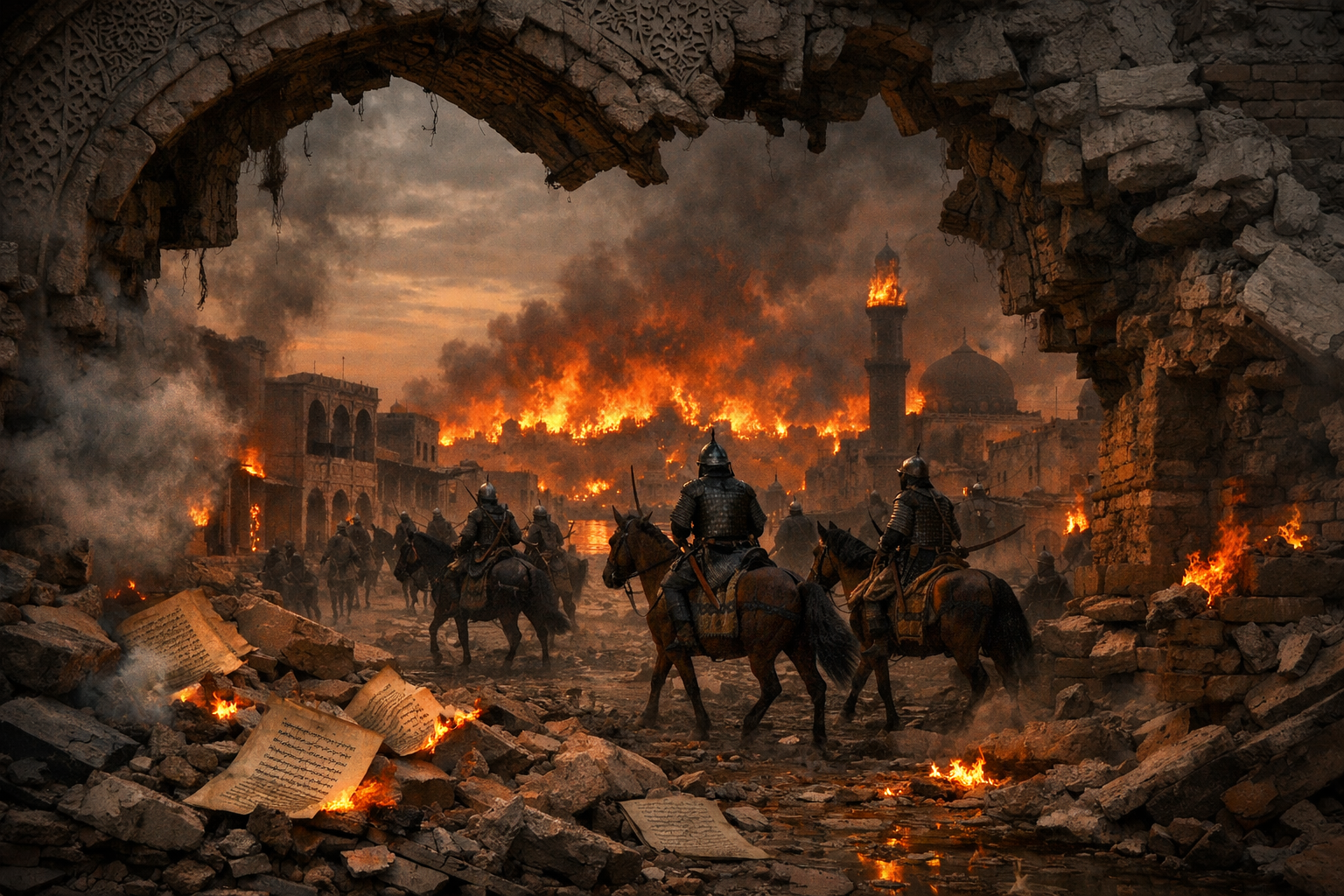
On a cold February morning in 1258, the residents of Baghdad awoke to an unfamiliar silence. The usual calls to prayer from hundreds of minarets were absent, re...
The Siege of Zhongdu: Breaking the Jin Dynasty's Iron Gate
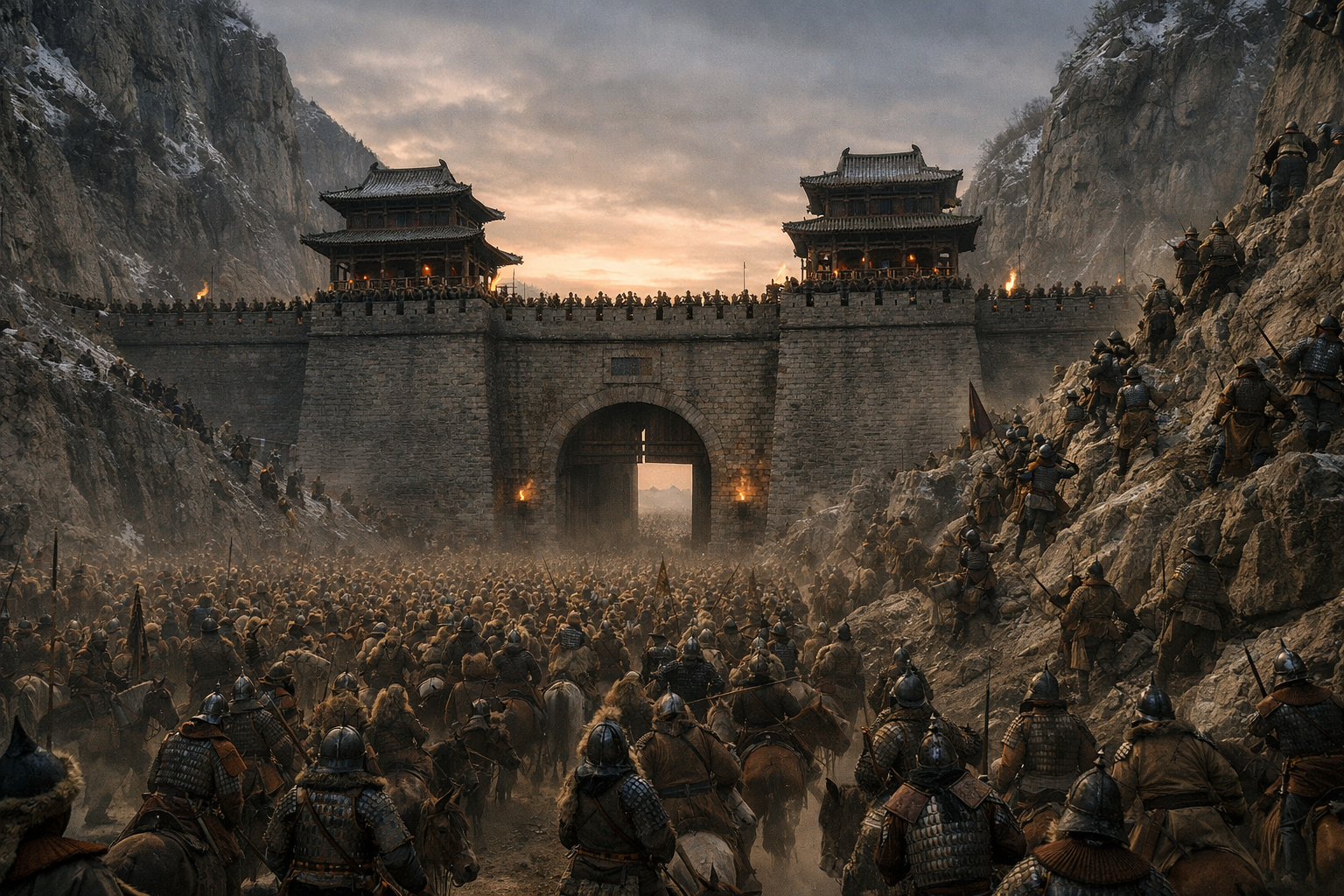
In the spring of 1211 CE, a Mongol army of somewhere between 65,000 and 100,000 riders crossed the Gobi Desert and moved toward the passes of the Yin Mountains....
The Siege of Zhongdu: Shattering the Jin Dynasty's Northern Capital
In the spring of 1211 CE, Genghis Khan led his armies south across the Gobi Desert and through the passes of the Yin Mountains toward the heartland of the Jurch...
The Sack of Baghdad: The Night the Abbasid World Ended
In the winter of 1257, Baghdad was still, by any measure, a city of extraordinary consequence. Founded in 762 CE by the Abbasid Caliph Al-Mansur on the western ...
The Sack of Baghdad: The End of the Abbasid Caliphate
In 1258, Baghdad was a symbol. It was the beating heart of Sunni Islam, the seat of the Abbasid Caliphate since its founding by al-Mansur in 762 CE, and one of ...
The Siege of Xiangyang: The Lock That Held China
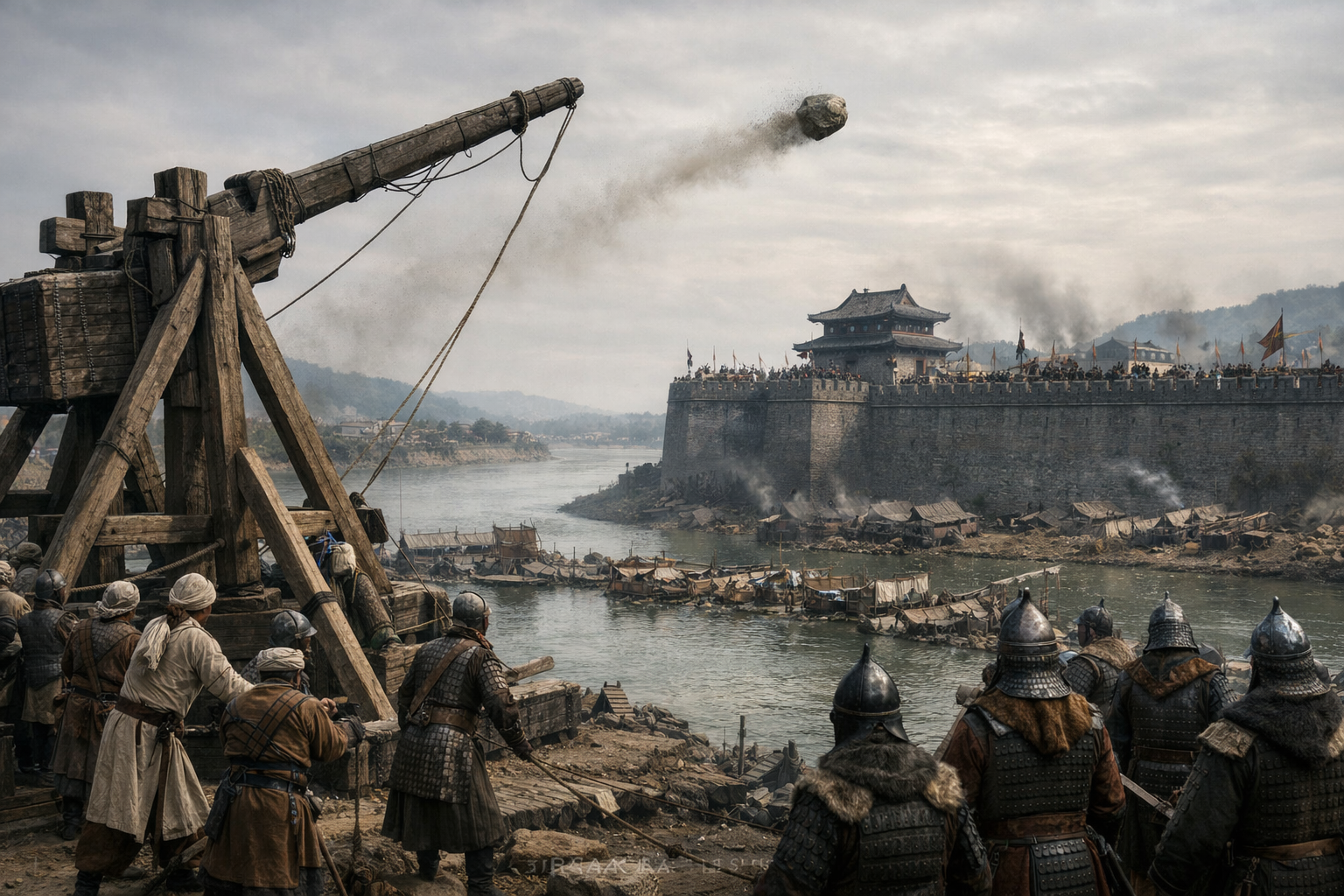
By the mid-1260s, Kublai Khan had already accomplished what no conqueror before him had managed. He had seized northern China, subdued Korea, and established hi...
The Siege of Baghdad: The Night the Caliphate Died
In the mid-thirteenth century, Baghdad was still, by most measures, the intellectual and spiritual capital of the Sunni Muslim world. Founded in 762 CE by the A...
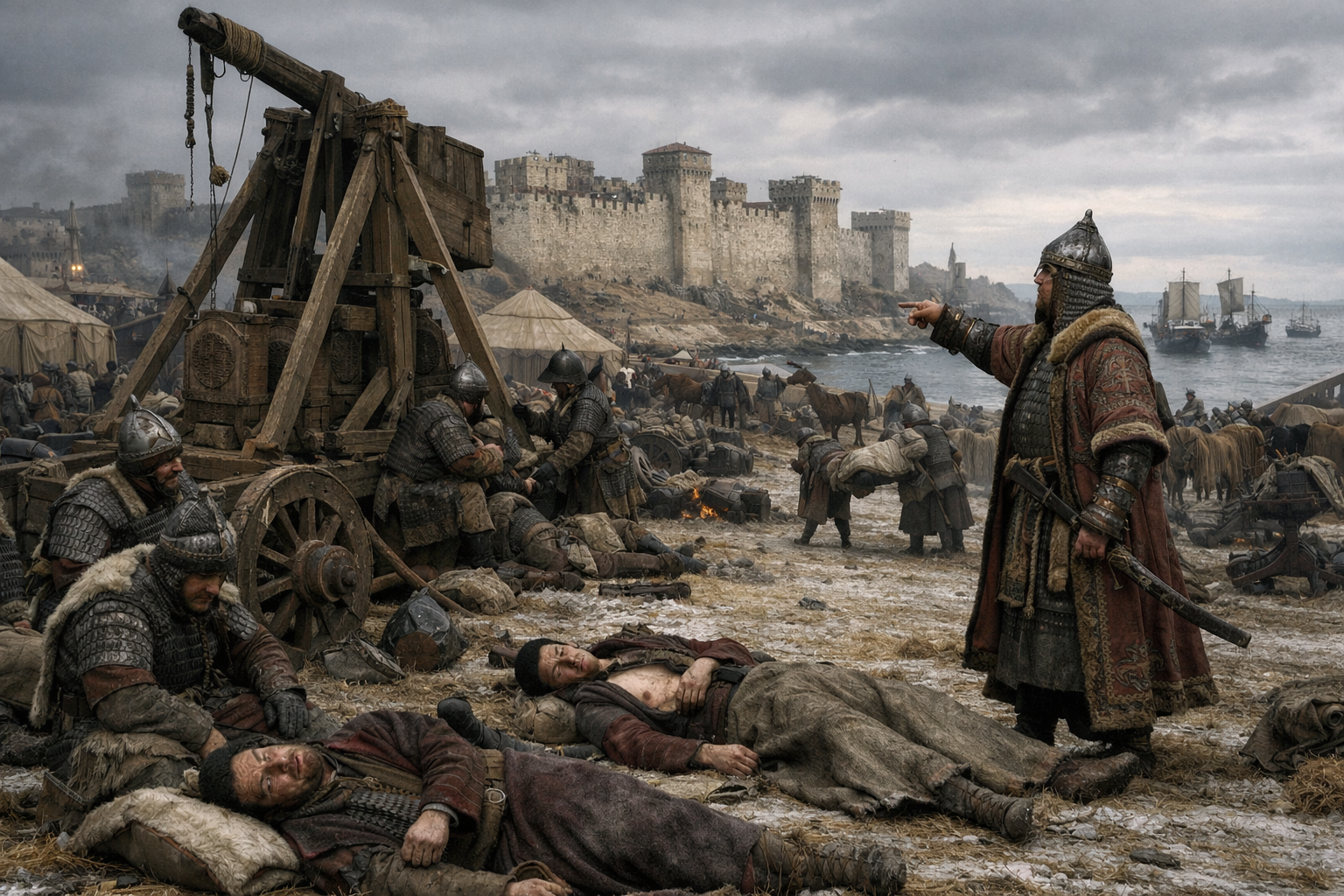
The Plague Road: How the Mongol Empire Carried the Black Death West
By the 1330s, the Mongol Empire had persisted for over a century in its various successor forms: the Yuan dynasty in China, the Ilkhanate in Persia, the Chagata...
The Shattering of Baghdad: 1258 and the End of the Abbasid World
In the mid-thirteenth century, Baghdad remained one of the most storied cities on earth. Founded in 762 CE by the Abbasid caliph al-Mansur on a bend of the Tigr...
The Plague Road: Black Death and the Mongol World-System
By the 1330s, the Mongol Empire had fractured into four successor states: the Yuan dynasty in China, the Ilkhanate in Persia (now dissolving), the Chagatai Khan...
The Plague Road: Black Death, Trade, and the Mongol World System
By the 1330s, a merchant departing Khanbaliq (modern Beijing) could, in theory, travel overland to the Black Sea port of Caffa (modern Feodosiya, Crimea) under ...