The Emperor's Gambit
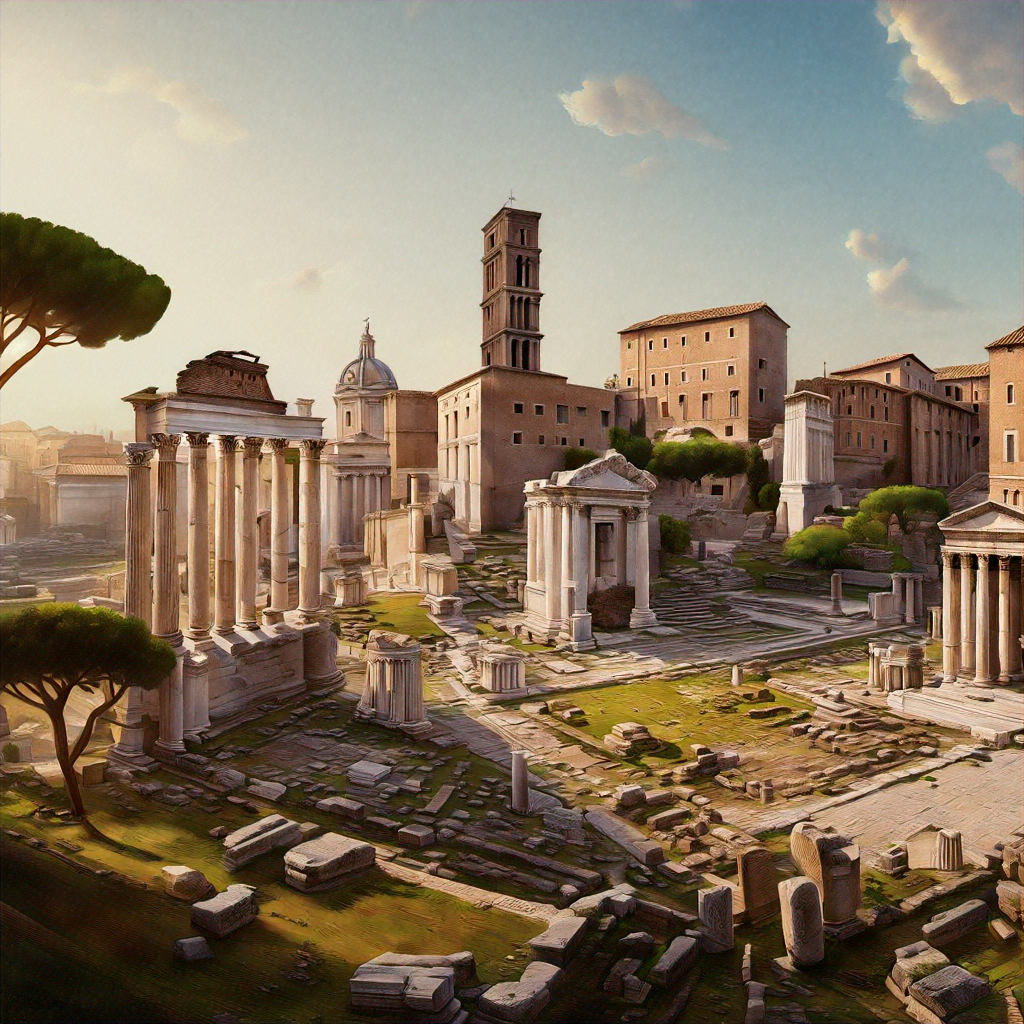
January 13, 532 CE
The air in Constantinople's Hippodrome was electric with tension. What had begun as typical sports rivalry between the Blue and Green racing factions had turned into something far more dangerous. The massive stadium, capable of holding 100,000 spectators, now echoed with a single unified chant that sent chills through the imperial palace:
"NIKA! NIKA! NIKA!" ("Victory! Victory! Victory!")
Emperor Justinian stood at his private viewing box in the Kathisma palace, which connected directly to the Hippodrome. Through the golden latticed windows, he could see the angry mob below growing by the hour. The Blues and Greens, bitter enemies who normally fought each other, had united against him. The very sports teams he had used to control the populace were now turning the tables.
His wife Theodora, the former actress who had risen to become his trusted co-ruler, stood beside him. Her face remained impassive as she watched smoke rising from multiple quarters of the city. The mob had already set fire to the Chalke Gate of the Great Palace, and the flames were spreading rapidly through the densely packed capital.
"They're calling for Hypatius," one of his advisors reported breathlessly. "The nephew of the former emperor Anastasius. The mob wants to proclaim him as the new Augustus."
Justinian's hands gripped the marble windowsill. Just six years into his reign, everything he had worked for teetered on the brink of destruction: his ambitious plans to restore the Roman Empire, his massive building projects, his legal reforms. The city he had sworn to rule was burning, and its people were calling for his head.
The Nika Riots emerged from a complex web of social and political tensions in 6th-century Constantinople. The city's population had swelled to nearly half a million people, making it the largest metropolis in the world. Its citizens were divided into racing factions, the Blues and Greens, which served as more than sports teams. They were political organizations and social clubs that also functioned as quasi-militias.
Justinian had come to power in 527 CE, following the death of his uncle Justin I. From humble beginnings in Illyria, he had risen through military and administrative ranks before being adopted as heir. His marriage to Theodora scandalized the aristocracy, but her intelligence and strength would prove crucial to his reign.
The emperor's ambitious agenda had created numerous enemies. His legal reforms threatened established privileges, while his tax policies burdened the population. His powerful minister John the Cappadocian had made himself particularly hated through his efficient but brutal tax collection methods.
In the days leading up to the riot, Justinian had ordered the execution of several Blue and Green members for murder. When some condemned men survived their hanging, both factions viewed it as a sign from God and united in demanding clemency. That spark ignited long-simmering grievances.
The Crisis Unfolds
Over five days in January 532, Constantinople descended into chaos. The rioters burned much of the city center, including the original Hagia Sophia church, the Church of St. Irene, and the Baths of Zeuxippus. Government authority collapsed as the mob grew to nearly 100,000 people.
Justinian's initial response was to negotiate. He appeared in the Hippodrome and offered to dismiss John the Cappadocian and other unpopular officials. The crowd rejected his concessions. They had tasted their power and wanted more.
Meanwhile, the Senate met secretly in the house of Origenes. Many aristocrats saw an opportunity to reassert their authority by replacing Justinian with a more pliable emperor. They settled on Hypatius, who was reportedly reluctant but was pressured by his wife and supporters to accept the crown.
On January 18, the situation reached its crisis point. A massive crowd escorted Hypatius to the Hippodrome and raised him on a shield, the traditional method of acclaiming a new emperor. Justinian and his advisers gathered in the palace to consider their options. The general consensus was to flee. Ships were prepared to carry the imperial couple to safety in the nearby city of Heraclea.
It was at this moment that Theodora delivered one of history's most famous speeches:
"Those who have worn the crown should never survive its loss. Never will I see the day when I am not saluted as empress. If you wish to save yourself, my lord, you have the means. As for me, I agree with the ancient saying: the royal purple is the noblest shroud."
Her words shamed the men into action. Justinian decided to stake everything on one desperate gambit.
The Counter-Strike
The emperor had two advantages: the loyalty of his generals Belisarius and Mundus, and a secret weapon in gold. While Belisarius and Mundus gathered loyal troops, Justinian's agents moved through the crowd in the Hippodrome, quietly approaching Blue faction leaders with heavy purses and whispered reminders of past imperial favors.
The plan worked. When Belisarius led his troops into the Hippodrome through the Kathisma palace passage, many Blues suddenly remembered their traditional loyalty to the emperor and began leaving the stadium, creating confusion and panic among those who remained.
As the crowd tried to flee, Mundus's forces blocked the exits. What followed was a massacre. By day's end, an estimated 30,000 rioters lay dead in the Hippodrome. Hypatius and his brother Pompeius were arrested and executed the next day, their bodies thrown into the sea.
Lasting Impact
The Nika Riots marked a turning point in Justinian's reign. Having survived the crisis, he emerged stronger than ever. The aristocratic opposition was broken, and he could proceed with his ambitious agenda. He rebuilt the destroyed buildings, creating an even grander Hagia Sophia that stands to this day.
The riots also demonstrated the crucial importance of controlling the urban mob in Constantinople. Future emperors would learn from Justinian's experience, maintaining tighter control over the racing factions and the city population.
The crisis also revealed Theodora's essential role in preserving the empire. Her courage at that crucial moment saved not only Justinian's throne but his grand vision of imperial restoration.
With his position secure in Constantinople, Justinian could now turn his attention to his greatest ambition: the reconquest of the Western Roman Empire. In our next episode, we'll follow his brilliant general Belisarius as he launches the campaign to reclaim North Africa from the Vandals, beginning Justinian's wars of reconquest that would reshape the Mediterranean world.
Editor's Context
Read this episode through the Byzantine habit of adaptation. The empire repeatedly survived by changing its military, fiscal, religious, and diplomatic tools while insisting that it remained Roman. The date markers (527 CE, 000) are included because chronology is one of the easiest places for narrative history to become misleading. The episode's themes (history, empire, power) are the editorial lens for weighing cause and consequence rather than treating the story as isolated trivia.
Reviewed under the EmpiresDiary editorial workflow by Obadiah.
Drafted with AI. Accuracy review and corrections are ongoing — if you spot an error, please report it. See our workflow and editorial policy.