The Crisis of the Third Century
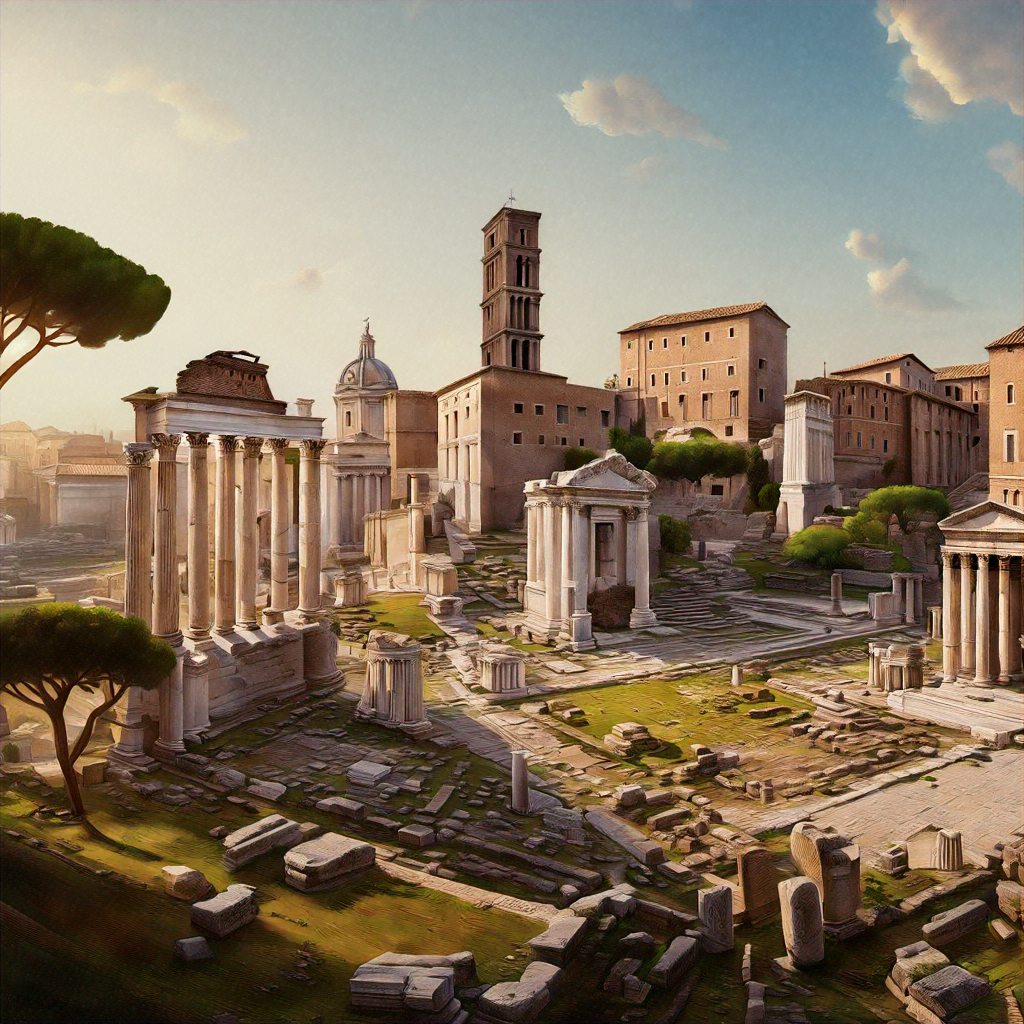
On a sweltering March day in 235 CE, the Roman Emperor Alexander Severus paced nervously in his tent along the Rhine frontier. Outside, the grumbling of his legions grew louder by the hour. The 26-year-old emperor had committed what his battle-hardened troops considered an unforgivable sin: he had tried to negotiate with the Germanic tribes. To soldiers who had marched hundreds of miles to face the enemy, this reeked of cowardice.
As the situation boiled over, soldiers of the Mainz army mutinied and murdered both Alexander and his controlling mother Julia Mamaea. The troops then proclaimed their commander, the Thracian-born officer Maximinus, their new emperor. He is remembered by history as Maximinus Thrax, and he became the first of what historians would later call the "barracks emperors." This bloody coup marked the beginning of the Crisis of the Third Century, a 50-year period that would bring the Roman Empire to the brink of total collapse.
The murder of Alexander Severus unleashed forces that had been building for decades. The Roman Empire of 235 CE stretched from Britain to Egypt, from Spain to the Euphrates. But beneath its impressive facade, cracks were widening. The economy strained under military spending and currency debasement. Plague had ravaged the population, and the army was increasingly filled with non-Italian recruits whose primary loyalty ran to their commanders, not to Rome itself.
Maximinus Thrax embodied these changes. Born a peasant in Thrace, he had never set foot in Rome before becoming emperor. He spoke Latin with a thick accent and treated the Senate with open contempt. His reign began a dizzying period of violent turnover: between 235 and 285 CE, roughly two dozen men were recognized as emperor, with dozens more usurpers claiming the purple, most ruling for just months before meeting violent ends.
By the 250s CE, multiple crises converged to push the empire toward dissolution. In the east, the aggressive new Sassanid Persian Empire launched massive invasions, capturing the key city of Antioch and taking the Emperor Valerian prisoner in 260 CE. It was an unprecedented humiliation. Valerian would die in Persian captivity, allegedly used as a human footstool by the Persian King Shapur I.
In the north, Germanic tribes crossed the Rhine and Danube in ever-larger numbers, penetrating deep into Roman territory. The Goths reached Athens by sea. The Alemanni raided as far as northern Italy. With central authority crumbling, Roman commanders in various regions began declaring themselves emperors and carving out breakaway realms. The Gallic Empire emerged in the west under Postumus, while Queen Zenobia established the Palmyrene Empire in the east.
A devastating plague, possibly smallpox, swept through the empire at the same time, killing up to a third of the population in some areas. Cities shrank, trade declined, and agricultural production fell. The government responded by drastically debasing the currency, producing rampant inflation. A denarius that had once been nearly pure silver under the early Empire was already debased to roughly 40-50% silver by 235 CE, and it collapsed to less than 5% silver by 270 CE.
The empire's salvation came through a series of remarkable soldier-emperors. Claudius II Gothicus steadied things first, but it was Aurelian (270-275 CE) who proved most crucial, earning the title "Restorer of the World." Through relentless campaigning he reunified the empire, defeating both the Gallic and Palmyrene breakaway states. He built massive new walls around Rome, reformed the currency, and established an official sun-god cult to help bind the empire together. Probus continued the work after him.
The cost of survival was profound. The Roman world that emerged from the crisis was radically transformed. Old Republican traditions that had lingered through the early empire were gone. Emperors now openly wore diadems and demanded to be treated as divine monarchs. The economy had shifted from a market system to one of rigid state control, and the army dominated society more than ever before.
Most significantly, the crisis revealed that the traditional power center of Rome itself was no longer vital to the empire's survival. Future emperors would spend little time in the old capital, preferring to stay closer to the frontiers where the real threats lay. That shift would lead to the system of multiple capitals and the division of empire that came to define Late Antiquity.
Though the empire survived the Third Century Crisis, the changes it underwent carried the seeds of future problems. The increased militarization of society, the expansion of bureaucracy, and the growing divide between frontier provinces and the Mediterranean core would all play roles in the empire's eventual fall.
As our next episode will explore, the solutions implemented by Diocletian and Constantine to prevent another such crisis would themselves create new challenges. The Roman Empire had survived its brush with extinction, but it would never be the same.
Editor's Context
Read this episode as part of a longer argument about institutional strain: Rome did not simply collapse because one battle, emperor, or migration went wrong. The important pattern is how military pressure, political legitimacy, taxation, and local survival choices reinforced each other. The date markers (235 CE - Murder of Alexander Severus, 260 CE - Capture of Emperor Valerian by Persians) are included because chronology is one of the easiest places for narrative history to become misleading. The episode's themes (political instability, military power, economic collapse) are the editorial lens for weighing cause and consequence rather than treating the story as isolated trivia.
Reviewed under the EmpiresDiary editorial workflow by Obadiah.
Drafted with AI. Accuracy review and corrections are ongoing — if you spot an error, please report it. See our workflow and editorial policy.