The Fall of Thessalonica
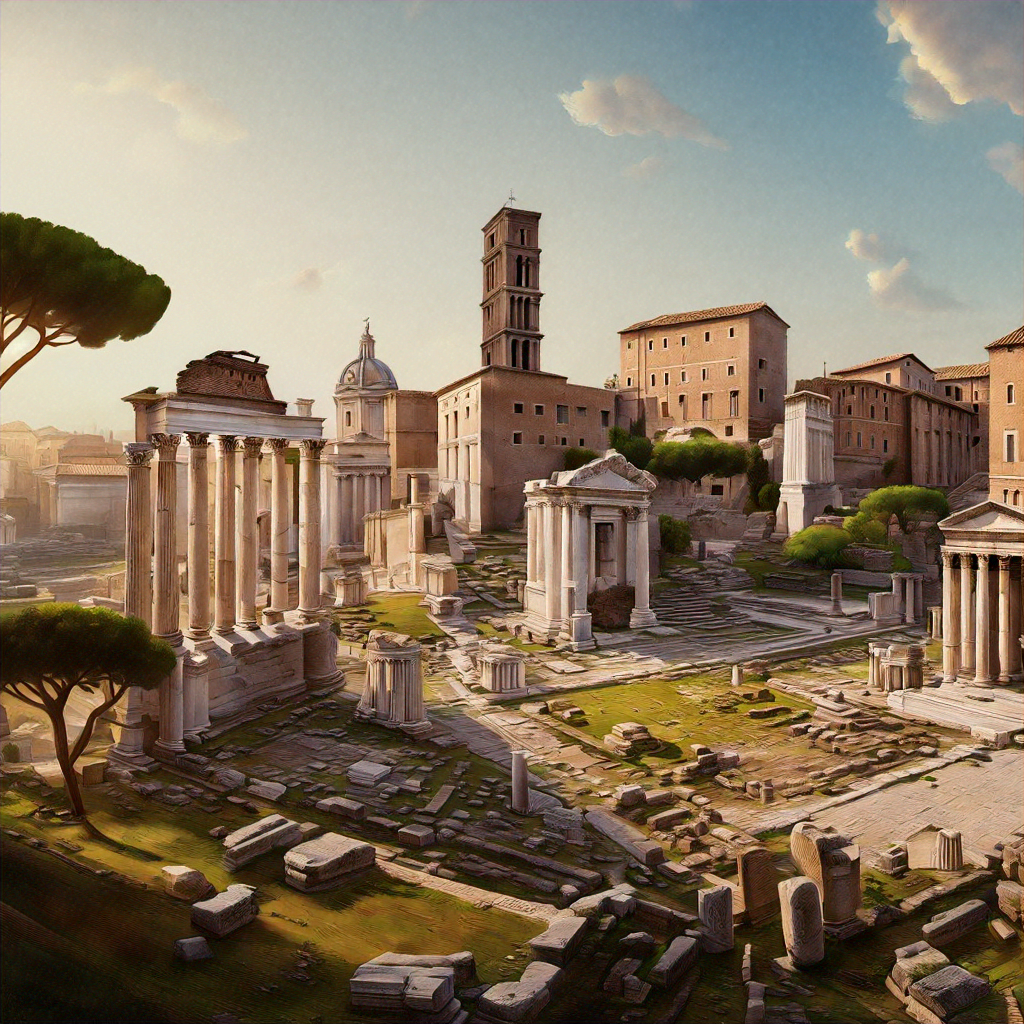
Opening Scene - Dawn of Terror
The late summer sun had barely risen over the Thermaic Gulf when the lookouts on Thessalonica's sea walls spotted the first ships. By mid-morning on July 29, 904 CE, more than fifty-four vessels had appeared on the horizon, their distinctive dragon-headed prows leaving little doubt about their origins. The city's residents had heard tales of these Norse raiders, the Rus, who had already terrorized Constantinople itself just a few years earlier.
Panic spread quickly through the marble-columned streets and bustling markets. Thessalonica was the second-largest city in the Byzantine Empire, a wealthy metropolis of perhaps 100,000 souls. Its massive walls had repelled countless attackers over the centuries, from Slavs to Saracens. But those walls had one critical weakness: they were incomplete on the harbor side, where city officials had long prioritized commerce over defense.
The leader of this massive raid was Leo of Tripoli, a Greek renegade who had converted to Islam and joined forces with the Arab fleet, bringing with him intimate knowledge of Byzantine defenses. Alongside him was a fearsome Norse warrior known to the Greeks as Rosomates, commanding a contingent of Rus mercenaries who had sailed down from their bases along the Black Sea.
As the raiders' ships drew closer, the city's defenders rushed to their positions. The military governor, Petronas, had only a small permanent garrison, perhaps 4,000 men. He ordered the city's bronze warning bells rung, their deep tones echoing off the ancient stonework. In the churches, priests clutched sacred relics and led prayers to St. Demetrius, the city's patron saint who had supposedly protected Thessalonica from countless previous attacks.
But this time would be different. This time, the city's legendary protector would not come to their rescue.
Historical Context
The sack of Thessalonica occurred during a period of increasing vulnerability for the Byzantine Empire. Still powerful, Byzantium faced mounting pressures on multiple fronts by the early 10th century. Arab raids along the Mediterranean coastline had intensified, while new threats emerged from the Rus in the north and the Bulgars in the Balkans.
Thessalonica itself had grown wealthy through trade, sitting at the intersection of major land and sea routes. The city was renowned for its textile industry, particularly its purple-dyed silks, and served as a crucial commercial hub between Constantinople and the western provinces. Its population was diverse: Greeks, Armenians, Jews, and Slavs all lived within its ancient walls.
The raiders who threatened the city represented a new kind of hybrid threat. Leo of Tripoli, born Leo of Attaleia, exemplified the complex nature of Mediterranean warfare in this era. Originally a Byzantine naval officer, he had been captured by Arab forces and converted to Islam, eventually rising to become a prominent admiral in the Abbasid fleet. His knowledge of Byzantine naval tactics and coastal defenses made him particularly dangerous.
The presence of Rus warriors in his force pointed to another significant development: the emergence of Norse mercenaries as major players in Mediterranean warfare. Since their first appearance at Constantinople in 860, the Rus had become increasingly involved in Byzantine affairs, sometimes as raiders, sometimes as mercenaries, and sometimes as traders.
The Main Narrative
The attack began in earnest around noon. Leo of Tripoli had studied the city's defenses well and knew exactly where to strike. While a portion of his fleet maintained a threatening presence before the main harbor, other ships moved to the western side of the city where the sea walls were weakest.
From the perspective of Gregory, a silk merchant whose warehouse stood near the harbor, the initial assault was overwhelming: "The ships came in like great sea-beasts, their oars churning the water to foam. The Rus warriors aboard them were terrible to behold, tall men with red-gold hair and axes that gleamed in the sun. They threw hooks attached to ropes over our walls, and swarmed up them like spiders."
The city's defenders fought desperately. John Kaminiates, a priest who survived the attack and later wrote an account, described how "the air was thick with arrows, and the clash of sword on shield echoed through the streets." The garrison troops, though outnumbered, initially managed to hold several key positions, particularly around the Arch of Galerius and the main thoroughfare leading to the city center.
The attackers had another advantage, though: inside help. According to multiple sources, a group of slaves within the city, seeing an opportunity for freedom, set fires in several quarters to create confusion. As smoke rose above the city, the defenders found themselves fighting not only the external enemy but also trying to contain the spreading flames.
The city's wealthy residents fled to the Acropolis, carrying what valuables they could. Among them was Anna Komnene, wife of a prominent official, who later recorded: "We could hear the screams from below as the barbarians broke through. The very stones seemed to weep at the fate befalling our beautiful city."
By nightfall, the situation was hopeless. Governor Petronas was killed trying to defend the Church of St. Demetrius. The Rus and Arab forces had broken through in multiple locations, and the city's defenses had completely collapsed. Three days of unchecked violence and looting followed.
Consequences and Lasting Impact
The sack of Thessalonica sent shockwaves through the Byzantine Empire. Over 4,000 citizens were killed, and perhaps 22,000 were taken captive to be sold in the slave markets of Crete and Syria. The city's famous churches were plundered of their golden icons and sacred relics. The economic damage was immense. It would take decades for Thessalonica to recover its former prosperity.
The disaster prompted significant changes in Byzantine military strategy. Emperor Leo VI ordered the completion of proper sea walls and the strengthening of coastal defenses throughout the empire. The event also led to reforms in the Byzantine navy, with more resources devoted to maintaining a strong fleet to protect against raiders.
Perhaps most significantly, the sack demonstrated the empire's vulnerability to combined threats. In this case, the tactical knowledge of a Byzantine turncoat combined with the fighting prowess of Norse mercenaries proved devastating. This would influence Byzantine diplomatic policy, leading to increased efforts to convert potential enemies into allies through trade agreements and military subsidies.
Looking Ahead
The sack of Thessalonica marked a turning point in Byzantine maritime history, but it would not be the last crisis to face the empire. In our next episode, we'll examine how Emperor Constantine VII Porphyrogenitus attempted to rebuild Byzantine power through diplomatic genius and cultural renewal, even as new threats gathered on the empire's frontiers. The struggle for survival would continue, as it would for centuries to come.
Editor's Context
Read this episode as part of a longer argument about institutional strain: Rome did not simply collapse because one battle, emperor, or migration went wrong. The important pattern is how military pressure, political legitimacy, taxation, and local survival choices reinforced each other. The date markers (904 CE, 000) are included because chronology is one of the easiest places for narrative history to become misleading. The episode's themes (history, empire, power) are the editorial lens for weighing cause and consequence rather than treating the story as isolated trivia.
Reviewed under the EmpiresDiary editorial workflow by Obadiah.
Sources & Further Reading
Selected bibliography for this series
The Fall of the Roman Empire: A New History of Rome and the Barbarians
Peter Heather, The Fall of the Roman Empire: A New History of Rome and the Barbarians. Oxford University Press, 2005. (scholarly)
The Fall of Rome and the End of Civilization
Bryan Ward-Perkins, The Fall of Rome and the End of Civilization. Oxford University Press, 2005. (scholarly)
The World of Late Antiquity
Peter Brown, The World of Late Antiquity. Thames & Hudson, 1971. (scholarly)
Res Gestae
Ammianus Marcellinus, Res Gestae. Primary late Roman narrative source for the fourth century. (primary)
Drafted with AI. Edited and fact-checked by Obadiah before publication. See the workflow and editorial policy.