The Eternal Plague
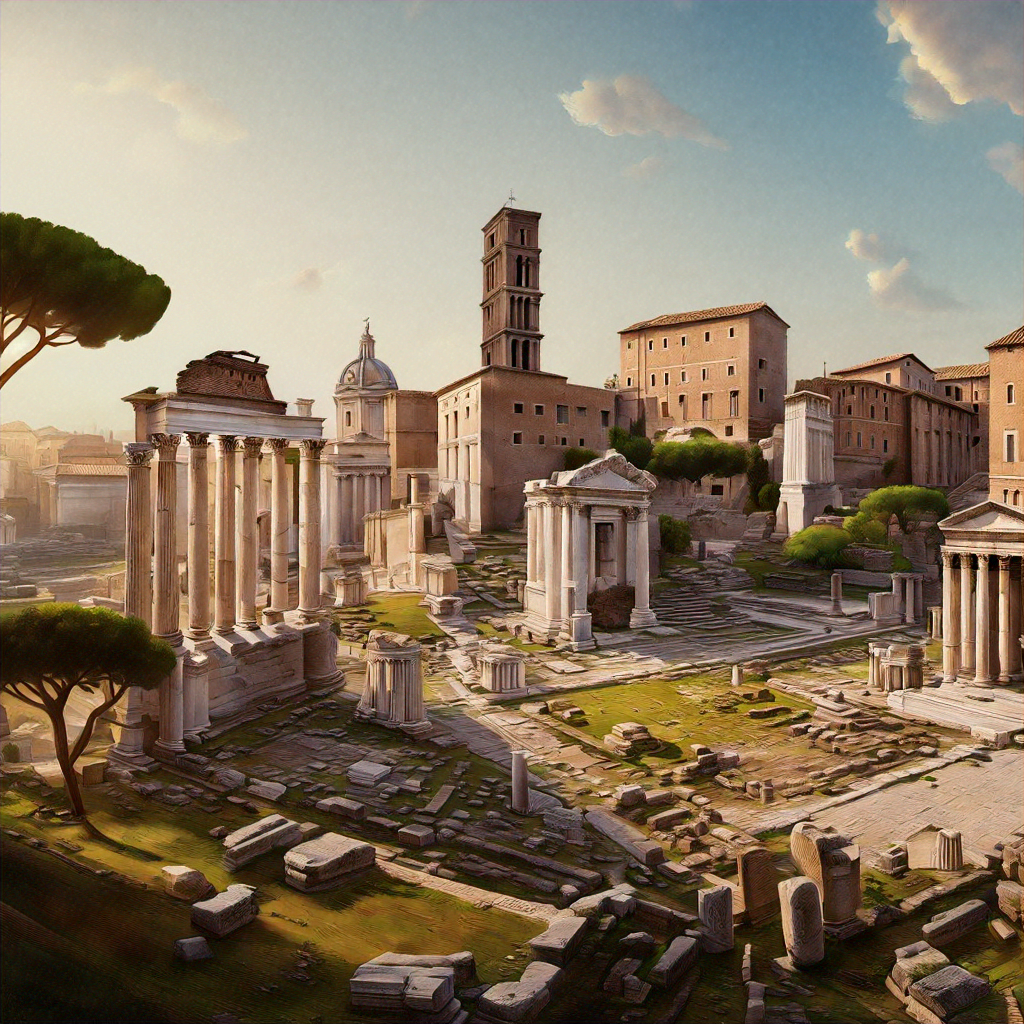
Opening Scene: Marcus Aurelius' Nightmare (165 CE)
The emperor's hands trembled as he read the military dispatch from Seleucia. Marcus Aurelius, ruler of an empire at its zenith, stood alone in his private chambers at the palace in Rome, the oil lamp casting long shadows across his weathered face. The parchment described scenes that seemed pulled from nightmare – entire legions laid low not by Persian arrows or German axes, but by an invisible enemy that turned strong men into corpses within days.
"They burn with fever, their throats close, their skin erupts in pustules," the report read. "The streets of Seleucia are filled with the dead and dying. Our soldiers who survived the siege now fall by the hundreds. Those who flee carry something worse than defeat with them."
Through the open window, Marcus could hear the normal sounds of the eternal city – merchants hawking their wares, children playing, the distant rumble of cart wheels on stone. But the emperor knew this peace was an illusion. The plague was coming, carried along the very roads and shipping lanes that had made Rome great. Trade routes that once brought silk and spices would soon deliver death to every corner of the empire.
He thought of the omens the augurs had reported: birds falling dead from the sky in Sicily, sheep born with two heads in Gaul, a rain of blood reported in Macedonia. Marcus was a philosopher who preferred reason to superstition, but even he couldn't shake the feeling that the gods were warning them of impending doom.
Historical Context: Rome at its Height
The year 165 CE found the Roman Empire at its absolute peak. Under the enlightened rule of the "Five Good Emperors," Rome had enjoyed nearly a century of stability, prosperity, and expansion. The empire stretched from Britain to Egypt, from Spain to the Euphrates. Some 60 million people lived under the Pax Romana, enjoying unprecedented peace and economic integration.
The current emperor, Marcus Aurelius, represented the pinnacle of this golden age. A philosopher-king in the truest sense, he embodied the Roman ideal of wisdom and duty. Trade flourished along secure roads and sea lanes. Cities grew wealthy from commerce, while Roman culture and technology spread to the furthest provinces.
But this interconnected world had a deadly vulnerability. Roman troops returning from a successful campaign against the Parthians had unknowingly brought back more than plunder from the East. In the siege of Seleucia, they had encountered what modern historians believe was smallpox – a disease previously unknown in the Mediterranean world. The Roman population had no immunity to this new threat.
The empire's excellent roads and busy trade routes – once its greatest strengths – would now become channels for catastrophe. The same networks that carried grain, gold, and ideas would spread disease at unprecedented speed through the densely populated Roman world.
The Plague Spreads: Multiple Perspectives
The Doctor's View
Galen, the empire's most renowned physician, had been summoned to treat the afflicted armies along the Danube frontier. His clinical descriptions would prove invaluable to future historians: "The fever burns hot, followed by putrid breath and bloody cough. Red and black pustules cover the body. Death comes by the ninth day, for those unfortunate enough to live that long."
Despite his vast medical knowledge, Galen could do little but watch in horror as the disease swept through military camps. He estimated that up to one-third of those infected died. The survivors were often left with severe scarring and sometimes blindness.
The Merchant's Tale
Lucius Silvius, a wealthy trader from Ostia, recorded how the plague disrupted the very foundations of Roman commerce: "No ships dare enter the harbor, for fear of carrying death. Grain rots in warehouses while people starve. Those who can flee the cities do so, leaving markets empty and workshops silent."
Trade volumes plummeted as ports closed and travel became restricted. The sophisticated Roman economic system, built on specialization and long-distance trade, began to unravel.
The Provincial Governor's Dilemma
In Roman Britain, Governor Quintus Antistius faced an impossible choice. His province depended on regular shipments of supplies and reinforcements from the continent. But each arriving vessel might carry infected passengers or cargo. His letters to Rome reveal his growing desperation: "We must either risk the plague or slowly wither in isolation. Already the northern tribes sense our weakness."
The Common People
The poor suffered most severely. In Rome itself, the famous public baths – once symbols of civilization – became vectors for infection. Crowded apartment blocks turned into death traps. Traditional Roman funeral practices had to be abandoned as bodies piled up too quickly for proper burial.
A graffito found in Pompeii captures the popular mood: "The gods have abandoned us. The empire of gold has become an empire of corpses."
Lasting Impact: The Beginning of the End
The Antonine Plague, as it came to be known, lasted from 165-180 CE. Modern estimates suggest it killed between 7-10 million people, perhaps 10-15% of the empire's population. The demographic impact was severe and long-lasting.
The military suffered particularly heavy losses, forcing Marcus Aurelius to recruit barbarian troops to defend the frontiers – a precedent that would have far-reaching consequences. Tax revenues plummeted just as the empire needed resources to face mounting external threats.
Most significantly, the plague shattered the Romans' confidence in their civilization's invulnerability. The Pax Romana had seemed eternal; now it proved fragile. This psychological blow, combined with the tangible damages to population and economy, marked the beginning of Rome's long decline.
The plague exposed underlying weaknesses in the imperial system: over-reliance on long-distance trade, dangerous concentration of population in cities, and vulnerability of extended frontiers. These problems would only worsen in coming centuries.
Looking Ahead
As Marcus Aurelius died in 180 CE, the plague finally began to burn itself out. But the empire would never fully recover its former strength. His son Commodus would prove a disastrous successor, ushering in the turbulent Crisis of the Third Century. Our next episode will examine how this spoiled child-emperor squandered his father's legacy and set Rome firmly on the path to decline.
This episode was created with AI assistance and audited for factual accuracy. See our AI methodology and editorial policy.