The Praetorian Betrayal
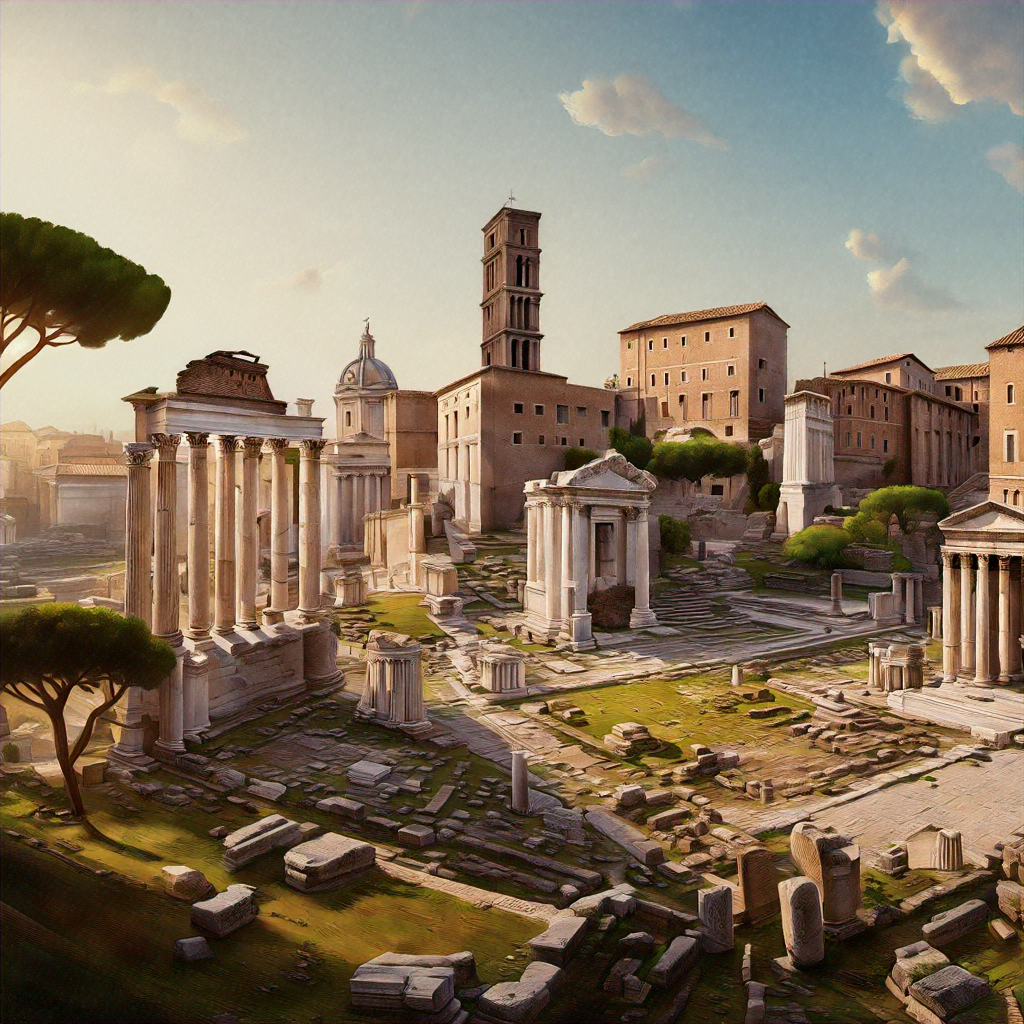
On a crisp March morning in 193 CE, Didius Julianus strode through the streets of Rome toward the Castra Praetoria, the imposing barracks of the Praetorian Guard. News of Emperor Pertinax's assassination had spread through the city hours earlier, and Julianus saw his opportunity. A wealthy senator with more ambition than wisdom, he'd heard rumors that the Praetorians were auctioning off the imperial throne to the highest bidder.
As he approached the fortress walls, the guards called down, demanding to know how much each bidder would pay to become emperor. What followed was perhaps the most shameful episode in Roman history. A public auction for control of the mightiest empire on Earth, conducted by men who were supposed to be its elite protectors.
Sulpicianus, Pertinax's father-in-law, was already inside the fortress walls bidding for the throne, offering 20,000 sesterces per soldier. Julianus, calling up from outside, countered with a staggering 25,000 sesterces per guard, plus promises of additional privileges. The guards threw open the gates and proclaimed him Emperor of Rome.
To understand how Rome reached this low point, you have to go back to the formation of the Praetorian Guard under Augustus in 27 BCE. Initially conceived as an elite bodyguard force of nine cohorts totaling several thousand hand-picked men, the Praetorians were drawn from the finest legionaries and given special privileges: higher pay, shorter service terms, and the prestigious duty of protecting the emperor.
Augustus carefully limited their power by dispersing most units in towns around Rome, keeping only three cohorts in the capital. His successor Tiberius made the fateful decision to consolidate them in Rome proper, building the massive Castra Praetoria fortress in 23 CE. That concentration of military might in the heart of the capital would have dire consequences.
Over the next century and a half, the Praetorians gradually transformed from protectors to kingmakers. They assassinated Caligula in 41 CE and proclaimed his uncle Claudius emperor. In 68 CE they abandoned Nero, leading to his suicide. Time and again they demonstrated that their loyalty was for sale.
The auction of 193 CE marked the beginning of what historians call the Year of the Five Emperors. The scandal of Julianus' purchase reverberated across the empire. Three powerful generals rejected his authority and mobilized their legions: Pescennius Niger in Syria, Clodius Albinus in Britain, and Septimius Severus in Pannonia.
Severus moved first and fastest. Within weeks his army was marching on Rome. The Praetorians, proving their corruption complete, immediately abandoned Julianus. The Senate condemned the emperor they had confirmed just weeks earlier, and on June 1, 193 CE, Julianus was executed in the palace he had purchased. His reign had lasted only 66 days.
Severus knew he couldn't trust the Praetorians. In one of his first acts as emperor, he ordered the entire guard to assemble outside Rome, supposedly to receive a reward. Instead, they were surrounded by his legionaries, stripped of their weapons and uniforms, and banished from Rome on pain of death. The old guard was disbanded entirely, replaced with hand-picked veterans from Severus' Danubian legions.
The auction of 193 CE exposed the deep rot at the heart of the Roman system. The Praetorians, entrusted with protecting the empire's leadership, had become a law unto themselves, placing personal profit above duty and honor. Their actions set dangerous precedents that would haunt Rome for centuries.
Severus' reforms changed nothing in the long run. Subsequent Praetorian Guards proved no more loyal than their predecessors. They assassinated Caracalla in 217 CE and Elagabalus in 222 CE. In 238 CE they killed both Pupienus and Balbinus. Each intervention further weakened the stability of imperial succession and pushed Rome deeper into crisis.
The Praetorian auction of 193 CE is a powerful symbol of institutional corruption. When those entrusted with protecting the state exploit their position for personal gain instead, the foundations of government begin to crumble. The incident marked a point of no return in Rome's transformation from republic to military dictatorship.
As our series continues, we'll see how the precedent set by the Praetorians, that military might could override all other authority, contributed to the empire's eventual fall. Our next episode examines how Septimius Severus' military reforms, while necessary to curb Praetorian power, accelerated the militarization of Roman society and set the stage for the Crisis of the Third Century.
The lesson of the Praetorian auction echoes through history: when protectors become predators, no empire, no matter how mighty, can long endure.
Editor's Context
Read this episode as part of a longer argument about institutional strain: Rome did not simply collapse because one battle, emperor, or migration went wrong. The important pattern is how military pressure, political legitimacy, taxation, and local survival choices reinforced each other. The date markers (27 BCE - Formation of Praetorian Guard, 23 CE - Construction of Castra Praetoria) are included because chronology is one of the easiest places for narrative history to become misleading. The episode's themes (corruption, military power, institutional decay) are the editorial lens for weighing cause and consequence rather than treating the story as isolated trivia.
Reviewed under the EmpiresDiary editorial workflow by Obadiah.
Drafted with AI. Accuracy review and corrections are ongoing — if you spot an error, please report it. See our workflow and editorial policy.