The Crossing of the Danube
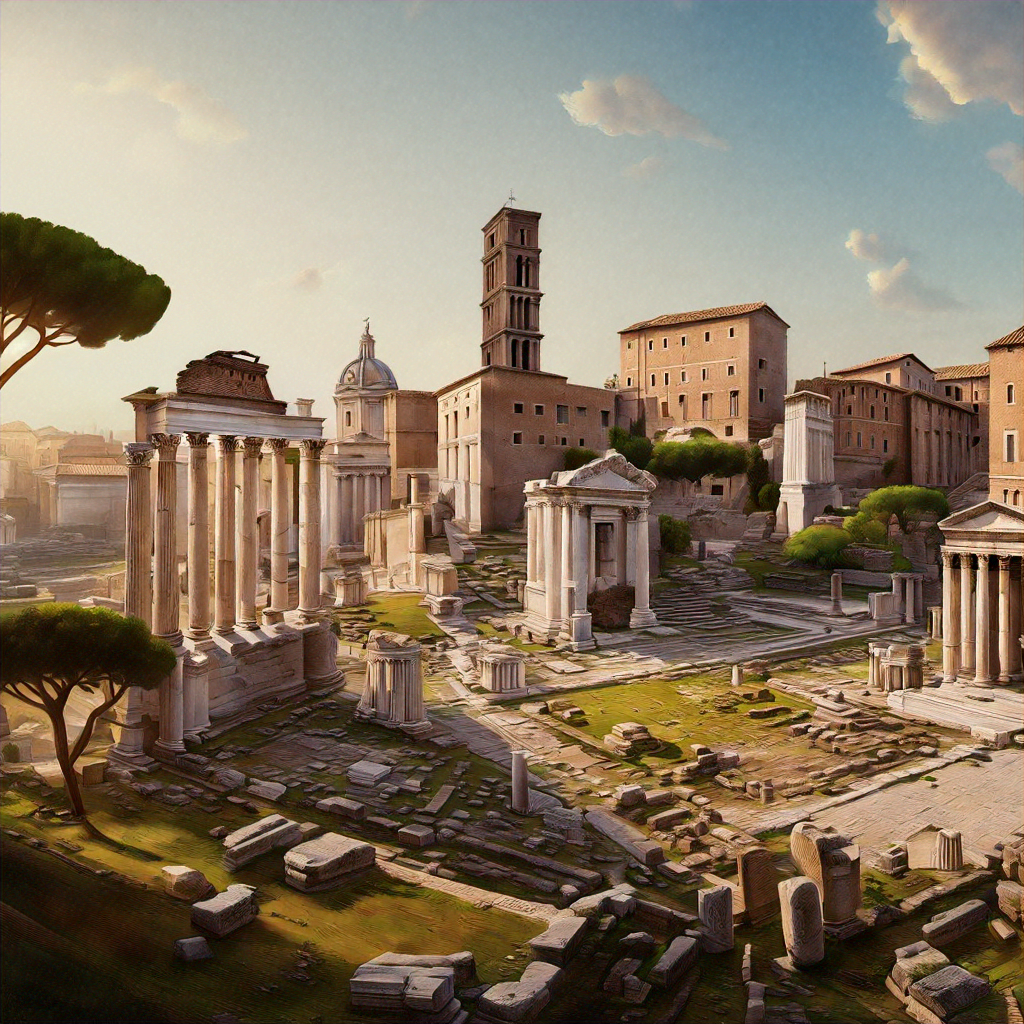
Opening Scene - The Banks of the Danube, 376 CE
The summer air hung heavy along the Danube's southern bank. Roman sentries peered across the great river, their eyes widening at an unprecedented sight. As far as they could see, the northern shore teemed with humanity – tens of thousands of Gothic men, women, and children, their wagons and possessions forming a vast, desperate camp that stretched for miles along the riverbank.
The Goths' tribal leaders had sent urgent messages ahead: they sought asylum within Roman territory. They were fleeing from a terrifying new force – the Huns – that had swept in from the steppes with devastating effect. The Gothic people faced annihilation unless Rome would grant them sanctuary.
At his command post near modern-day Silistra, the Roman commander Lupicinus received reports with growing alarm. His scouts estimated the numbers at over 100,000 people. The local garrison could never hope to control such a mass if they turned hostile. Yet these were not the painted barbarian raiders of old – these were families, many already adopting Roman customs, seeking protection from an even greater threat.
As Lupicinus pondered his response, more refugees arrived daily. Makeshift rafts and boats began crossing the river without permission, while Gothic warriors brandished their weapons from the northern bank, demanding passage. The situation was a powder keg. One wrong move could spark disaster, yet doing nothing was not an option. The fate of two peoples – and perhaps the Empire itself – hung in the balance.
Historical Context
The arrival of the Goths in 376 CE marked a crucial turning point in Roman history. For centuries, Rome had managed its northern frontier through a combination of military strength and diplomatic integration. Many "barbarian" peoples had been successfully settled within the Empire as foederati – allied tribes who provided military service in exchange for land and protection.
The Goths themselves had a complex relationship with Rome. Since the 3rd century, various Gothic groups had alternately raided Roman territory and served as Roman auxiliaries. The Thervingi Goths, who now sought refuge, had generally maintained peaceful relations and adopted many Roman customs, including a form of Christianity (albeit the Arian version considered heretical by Rome).
Emperor Valens, ruling from Constantinople, faced a difficult decision. His eastern armies were engaged against Persia, leaving the Danube frontier thinly defended. The Goths could provide valuable military manpower – but settling such a large population would strain local resources and administration.
The Empire had successfully absorbed immigrant populations before, but never on this scale. The normal process of gradual integration would be severely tested. Moreover, the Hunnic threat that drove the Goths to seek refuge represented a new type of danger – highly mobile mounted warriors with military capabilities that would transform warfare in late antiquity.
The Crisis Unfolds
The decision to admit the Goths proved catastrophic in its execution, though the alternatives might have been worse. Lupicinus and his fellow commanders attempted to process the refugees systematically, but were overwhelmed by the numbers. Food shortages quickly developed as local supplies proved inadequate for the massive influx.
Corrupt Roman officials exploited the situation, selling food to the starving Goths at extortionate prices. Gothic families were forced to sell their children into slavery to survive. Rather than dispersing the newcomers, Roman authorities concentrated them in squalid camps where disease and desperation festered.
The Gothic leader Fritigern maintained order initially, counseling patience to his people. But tensions exploded when Lupicinus, fearing a revolt, attempted to assassinate the Gothic leadership at a feast. Fritigern escaped, and the Goths rose in open rebellion.
From the Roman perspective, the situation spiraled out of control with frightening speed. As one contemporary chronicler wrote: "They who had hoped to find homes and protection within the Empire now ranged across it as enemies, plundering the villages and countryside of Thrace."
Emperor Valens received the news with fury and alarm. He rushed west from the Persian frontier with his best troops, determined to crush the Gothic uprising personally. His western colleague Gratian promised reinforcements, but Valens was eager for glory and unwilling to wait.
The resulting Battle of Adrianople in 378 CE became one of Rome's most devastating defeats. The Gothic cavalry proved superior to Roman forces in both tactics and numbers. Two-thirds of the eastern Roman army was destroyed, and Emperor Valens himself was killed – his body never found.
Consequences and Impact
The disaster at Adrianople marked a turning point from which the Western Roman Empire never fully recovered. The myth of Roman military invincibility was shattered. The Goths established themselves as an autonomous power within Roman territory, setting a precedent that would be followed by other Germanic peoples.
The military losses were particularly devastating because the professional Roman army could not easily replace such casualties. Increasingly, Rome would rely on Germanic troops to defend its borders – a dependency that would prove fatal in the long run.
The refugee crisis of 376 CE also demonstrated the Empire's administrative limitations. Despite its sophisticated bureaucracy, Rome proved unable to handle large-scale population movements humanely and effectively. The resulting bitterness poisoned relations between Romans and Goths for generations.
Looking Ahead
In our next episode, we'll examine how the new Emperor Theodosius I attempted to rebuild Roman power and integrate the Gothic population in the aftermath of Adrianople. His policies would have far-reaching consequences, as the line between Roman and barbarian began to blur. The stage was being set for the final century of Western Roman power.
This episode was created with AI assistance and audited for factual accuracy. See our AI methodology and editorial policy.