The Siege of Sirmium
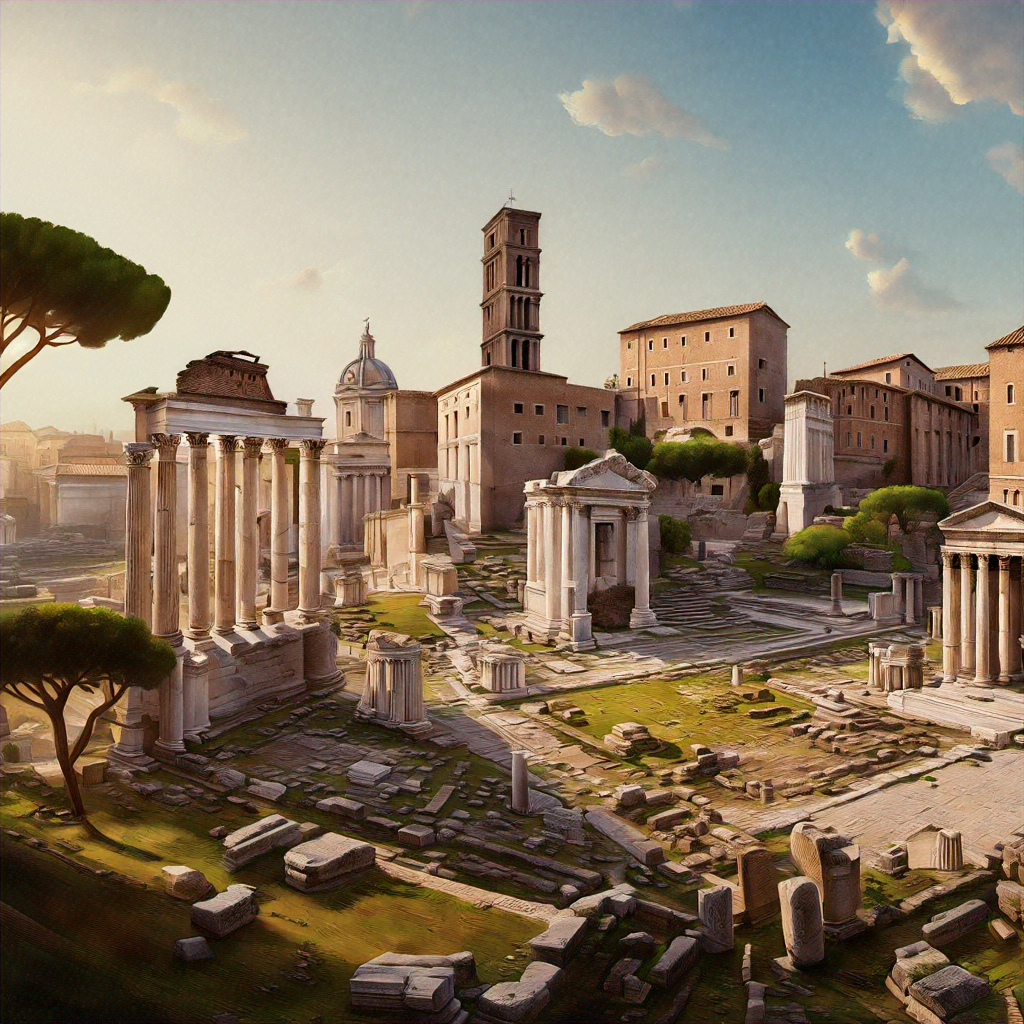
Opening Scene - Winter 382 CE
The winter wind howled through the streets of Sirmium as Governor Gratianus peered anxiously from the city's western watchtower. Below him, the frozen Savus River gleamed like polished steel in the pale morning light. For centuries this city had stood as Rome's bulwark in the Balkans, its position controlling vital routes between East and West. Now, through the swirling snow, Gratianus could make out the dim shapes of Gothic warriors establishing siege positions around the walls.
He pulled his wool cloak tighter and descended the tower's narrow steps, boots echoing on worn stone. In the forum below, citizens moved through their morning tasks with obvious tension. Merchants hastily secured their goods while mothers hustled children indoors. The granaries were well-stocked for winter, but everyone knew what was coming. The Goths under Fritigern, fresh from their shocking victory at Adrianople four years earlier, had finally turned their attention to Sirmium.
Inside the governor's palace, military commanders gathered around a map table with grave faces. The city's garrison had been depleted by recent campaigns, barely 5,000 men remaining to defend walls designed for three times that number. Gratianus studied the wooden markers representing Gothic forces: at least 15,000 warriors, perhaps more. They had already taken several smaller towns along the Savus, and Sirmium now stood as the last major Roman stronghold between the Goths and the wealthy provinces of Macedonia and Greece.
"We must hold," Gratianus declared to his officers. "Emperor Theodosius cannot spare reinforcements until spring. Every day we resist gives him time to gather forces in Constantinople." The men nodded grimly. Outside, the morning bells began to toll, their familiar sound now carrying a note of warning. Sirmium's greatest test was about to begin.
Historical Context
The siege of Sirmium marked a crucial moment in the Gothic crisis that had plagued the Roman Empire since the 370s. Founded in the 1st century CE, the city had grown into one of the largest urban centers in the Balkans, serving as an imperial capital during the Tetrarchy and a vital manufacturing center for Roman arms and armor. Its strategic importance was considerable.
The crisis had begun in 376 when Emperor Valens allowed large groups of Gothic refugees to cross the Danube, fleeing the advancing Huns. Poor treatment by corrupt Roman officials sparked a Gothic revolt, culminating in the devastating Battle of Adrianople in 378 where Valens himself was killed along with two-thirds of the eastern field army. That defeat shattered Roman military superiority in the region and left the Balkans open to Gothic raids and settlement.
Emperor Theodosius I, appointed by Gratian to replace Valens, faced the monumental task of containing the Gothic threat while rebuilding Roman military strength. His strategy combined diplomatic negotiations with tactical retreats, protecting key strategic points while gradually recruiting and training new forces. Sirmium, with its weapons factories and control of vital road and river routes, was essential to that plan.
The city's defenses had been continuously improved since Diocletian's time, with massive stone walls, towers, and a sophisticated system of gates and waterworks. Its population of roughly 100,000 included skilled craftsmen, merchants, and veterans who had settled there after their service. Wealth came from trade and manufacturing, but also from the rich agricultural lands surrounding it.
Main Narrative
The siege began in earnest in late January 382 CE. Fritigern established three main camps around the city, cutting off land routes and using captured river boats to control the Savus. Inside, Gratianus organized the defense along three concentric rings: the outer walls, an inner defensive line using major buildings and warehouses, and a final redoubt around the city center.
The first month brought repeated Gothic attempts to storm the walls using captured siege engines. Each assault was repelled, but at a cost in defenders that could not be replaced. The city's workshops ran around the clock producing replacement weapons and repairing damaged armor. Citizens were organized into auxiliary units, with women and older children helping maintain supplies and tend the wounded.
From the Gothic side, the siege presented both opportunity and frustration. Fritigern's warriors were well-equipped after their earlier victories but lacked experience in siege warfare. Contemporary Gothic accounts, preserved in later chronicles, describe their irritation at the city's stubborn resistance. Some Gothic nobles pushed for abandoning the siege to raid easier targets, but Fritigern understood what Sirmium was worth.
By March, conditions inside were deteriorating. Food remained adequate, but disease began spreading through the crowded quarters. The defenders repelled a major assault in mid-March and destroyed several siege towers, yet lost nearly 200 irreplaceable veterans doing it. Gothic raiders had also begun systematically destroying the surrounding farmland, ensuring that even if the city survived until spring, its economic base would be badly damaged.
The turning point came in early April. A messenger from Theodosius slipped through the Gothic lines carrying news that an imperial relief force was gathering in Thessalonica. It would not be ready to march for at least another month. Gratianus now faced a stark choice: hold out at the risk of complete destruction, or negotiate while the city still had enough strength to bargain.
After consulting with his commanders and city leaders, Gratianus opened secret negotiations with Fritigern. The resulting agreement was a piece of pragmatic compromise. The Goths received settlement rights in nearby territories and trading privileges with Sirmium, while recognizing Roman authority and agreeing to provide military auxiliaries. The city would remain Roman but would pay an annual tribute to the Gothic leaders.
Consequences and Impact
The negotiated settlement at Sirmium set important precedents for Roman-Gothic relations. It established a model of conditional integration that would be repeated throughout the late empire, with the city remaining a Roman administrative center while a significant Gothic presence took root in the surrounding territories.
The agreement fed into the broader settlement Theodosius reached with the Goths in late 382, which formally allowed them to settle within imperial territories as semi-autonomous allies. That arrangement stabilized the Balkans for a time, but it also fixed dangerous precedents about barbarian autonomy inside Roman borders. The tension between those two outcomes would take decades to fully surface.
Sirmium itself never recovered its former economic prominence, though it remained an important regional center until the Hunnic invasions of the following century. The siege marked the beginning of a gradual transformation in the region's character, as Roman and Gothic cultures entered a long, complicated process of integration and competition.
Looking Ahead
In our next episode, we'll examine how the settlement at Sirmium influenced Theodosius's broader Gothic policy and the growing power of Gothic military commanders within the Roman army. The seeds planted in these arrangements would eventually bear bitter fruit in the events leading to the sack of Rome in 410 CE. The question remained: could the empire truly absorb these powerful new allies, or had it simply bought itself time?
Editor's Context
Read this episode as part of a longer argument about institutional strain: Rome did not simply collapse because one battle, emperor, or migration went wrong. The important pattern is how military pressure, political legitimacy, taxation, and local survival choices reinforced each other. The date markers (382 CE, 000) are included because chronology is one of the easiest places for narrative history to become misleading. The episode's themes (history, empire, power) are the editorial lens for weighing cause and consequence rather than treating the story as isolated trivia.
Reviewed under the EmpiresDiary editorial workflow by Obadiah.
Sources & Further Reading
Selected bibliography for this series
The Fall of the Roman Empire: A New History of Rome and the Barbarians
Peter Heather, The Fall of the Roman Empire: A New History of Rome and the Barbarians. Oxford University Press, 2005. (scholarly)
The Fall of Rome and the End of Civilization
Bryan Ward-Perkins, The Fall of Rome and the End of Civilization. Oxford University Press, 2005. (scholarly)
The World of Late Antiquity
Peter Brown, The World of Late Antiquity. Thames & Hudson, 1971. (scholarly)
Res Gestae
Ammianus Marcellinus, Res Gestae. Primary late Roman narrative source for the fourth century. (primary)
Drafted with AI. Edited and fact-checked by Obadiah before publication. See the workflow and editorial policy.